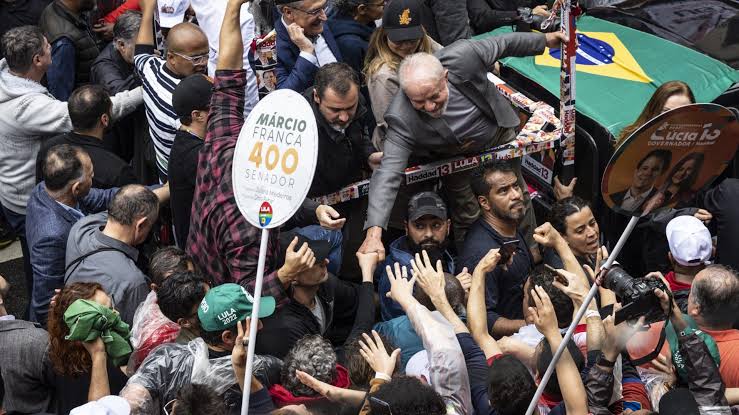
Never ever an election in a country has been so vital for the world’s delicate climate balance. Tomorrow’s election in Brazil will be a decider on the future of Amazon rain forest. The rain forest of Amazon is the lung of the planet Earth, and about 60 percent of the rain forest of Amazon is in Brazil.
Brazil
Brazil embraced democracy in 1980, and this election is a litmus test for the fourth largest democracy of the world. Thinkers believe that Brazil is tilting towards extreme right thinking. The election is witnessing a clash between two opposite thinking ideologies of right-wing politics and left-wing politics represented by top two contesting candidates. Brazil is Latin America’s largest economy and is encircled by many problems.
Brazil’s top concerns are economy, education, increasing crime, deforestation, public health, hunger crisis, increasing poverty as the fallout of Covid -19, and increasing inflation.
Both the candidates are Catholic and seek support from almost a third of Brazil’s Christian population. The incumbent president, Jair Bolsonaro, represents the Conservative Liberal party (PL).
He is a former army captain and is criticized for mishandling of pandemic, escalating Amazon rain forest destruction, relaxing gun ownership laws, weakening LGBTQ+ & reproductive rights, indifference to indigenous communities, cutting funding for federal education and expressing doubts over country’s electoral process. The reactions are pretty strong as the covid-19 pandemic claimed more than 6,87,000 lives in Brazil. He backs open market economy and privatization of state companies and opposes abortion. He legalized drugs and disapproved of freedom of religion and speech.
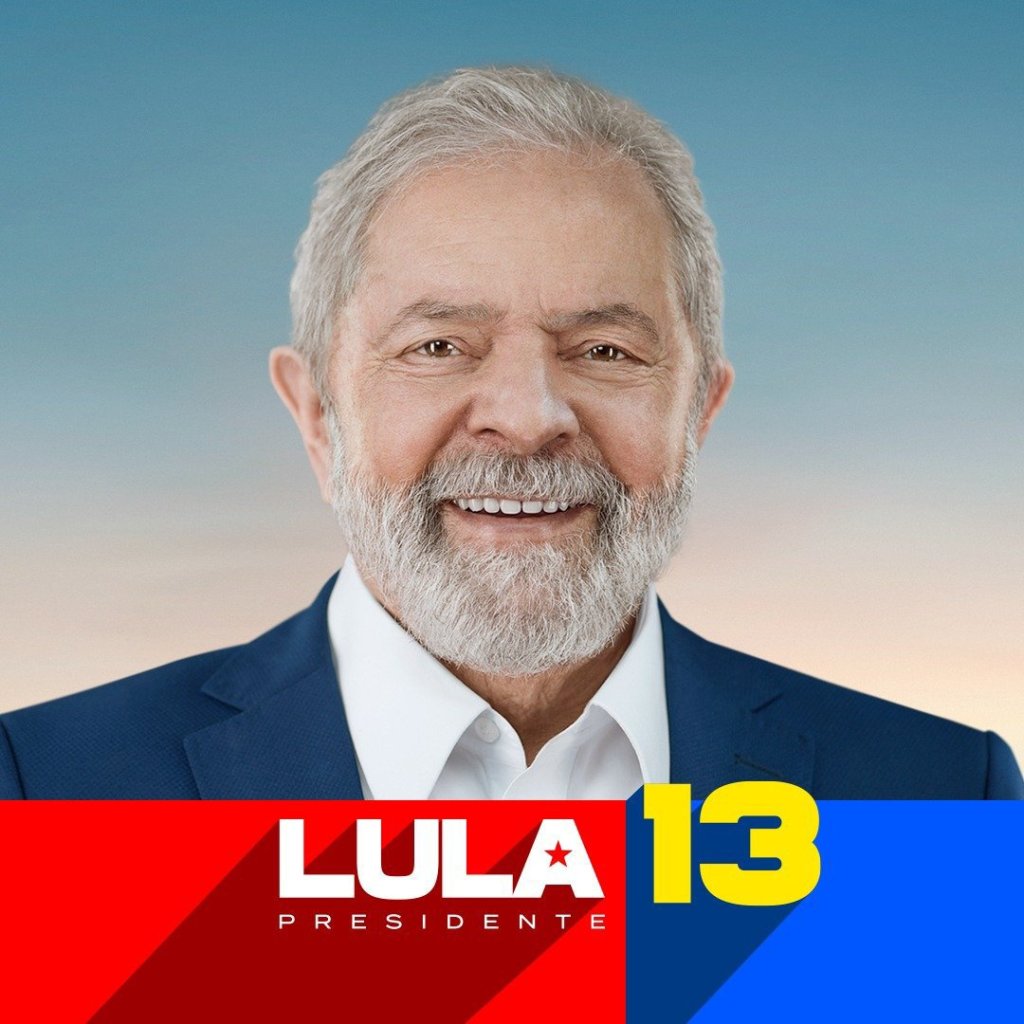
He is challenged by his nemesis and a very popular Luiz Inacio Lula da Silva, LULA, as he is known popularly.
He represents the Marxist Workers’ Party (PT). He held presidential office twice between 2003 and 2010. He is Latin America’s most influential politician whom former US President Barack Obama, once praised as ‘the most popular president on Earth’.
None other than the legendary, Fiedel Castro was angry over his decision to quit politics.
He was a former shoe shine boy and Brazil’s first working class president. His tenure was marked with an economic boom that lifted millions out of poverty with a good economic growth rate.
Many believe that Brazil experienced severe recession after many corruption scandals broke out in that period. In 2017, in the sweeping national investigations, Da Silva was convicted on corruption and money laundering charges and ordered a 12-year sentence.
He was released in 2019 after charges against him were annulled. He has promised that if elected, he will increase direct cash transfers, debt forgiveness, social housing and removal of cap on public spending, more taxes on wealthy, and boost conservation efforts of Amazon rain forest.
Internationally, Bolsonaro was always a disputed figure over his anti-global stance. Like former US President Trump, he has threatened to withdraw from WHO and Paris Climate Agreement.
He was dubbed as ‘Trump of the tropics’ and shown reluctance in accepting American election results of Trump’s defeat.
Just before the Russia invasion of Ukraine, he visited Putin and announced his solidarity and desire to collaborate with Russia in many areas like defense, oil and gas, and agriculture. He simply ignored the increasing Chinese influence. He dissociate Brazil from Cuba and Venezuela. Da Silva has opted for warmer relations with the US and EU. His presidency will boost ties with lower developed countries of Global South. His assumption of power will increase coordination with the left wing rule of Chile and Colombia.
As per the election system in Brazil, there are two rounds of voting. For the first round, people vote and choose from all candidates. In this first round, if no single candidate secures more than fifty percent of the votes, then the second round is carried out. In this round, the top two candidates securing maximum votes in the first round can participate. The candidate securing fifty percent of votes declares the winner.
The voting for this years’ election was held on October 2,2022. In this round Da Silva received 48 percent of the total votes, and Bolsonaro secured 43.2 percent of the total votes. As no candidate secure required fifty percent of votes, the second round is taking place tomorrow on Sunday, October 30,2022.
A recent poll survey by Genial/Quaest predicted Da Silva widening his lead slightly to 48.4 percent vote share while Bolsonaro’s vote share will be at 42 percent. Another survey by Poder Data says Da Silva would win 53 percent votes, and Bolsonaro’s would get 47 percent votes.
Meanwhile, a violent resistance to police arrest by an ally of President Bolsonaro made atmosphere tense and increased fear of more violence. There was a popular belief that Da Silva would sweep the first round and become president. But the result shows far more vote share taken by Bolsonaro than expected. That has made tomorrow’s outcome unpredictable. Many believe that Bolsonaro may not accept defeat. Bolsonaro and his followers already expressed doubts over the electronic voting machines.
The first round saw political violence among supporters of both candidates, including several murders. Ample use of social media spreading disinformation is used by both candidates in the election campaign.
One video portrayed a spiritually risky Satanist Brazil as a social influencer who describes himself as a Satanist and a supporter of Da Silva. It was withdrawn after Da Silva team issued a statement rejecting any involvement. Da Silva’s team also highlighted a Bolsonaro interview of 2016 given to NYT, where he stated a visit to an indigenous community that was allegedly cooking a dead person and how he made to watch over it.
After Bolsonaro’s complaint to the Electoral Court, the video was taken off. Deforestation had reached a historic low when Da Silva left the office in 2011. While, President Bolsonaro was often criticized for taking off important safeguards protecting forest and for not prosecuting illegal logging to save the rain forest.
On Friday, in the last live election debate, both candidates attacked each other’s character and accused each other of lying and refused to answer each others’ questions.
The minimum wage issue was not included in Bolsonaro’s 2023 budget, which was promised hastily in debate, once raised by his opponent. He promised to raise it to 264 dollars from 229 dollars.
Da Silva criticized Bolsonaro’s handling of the pandemic by denying the vaccine at the right time. The world will be watching tomorrow’s outcome very closely.
 the-curators.org
Leave a comment