The Chronicles contains: The tragic end of the anti corruption crusader in Ecuador; Migrants, elections and ever-present Wagner mercenaries & ‘At last’, ancient crime laws changed in India.
Tragic end for anti corruption crusader presidential candidate in Ecuador.
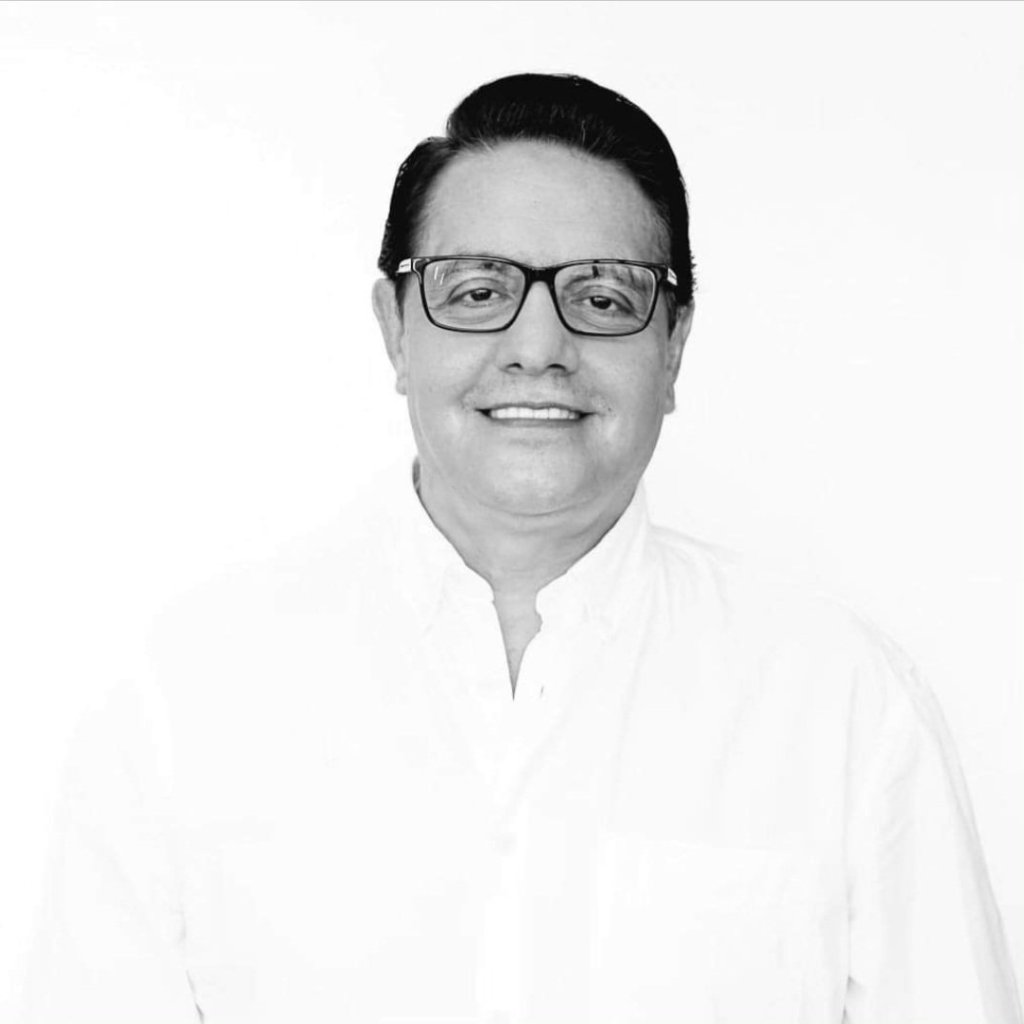
Fernando Villavicencio was one of the eight candidates for the approaching August 20 president elections in Ecuador. He was in an election campaign rally in the capital Quito near a school, when gun fire heard. He was fatally wounded while entering the car after concluding his rally. He was 59. A CNN Reportage about the incident says that though Ecuador has no history of producing cocaine, nor its main ingredient coca, it is sandwiched between the two largest narcotics production Hotspot of the world: Peru and Colombia. It further says that Ecuador has become an integral part in the lucrative cocaine trafficking routes from South America to North America and Europe according to security experts. And violence has been most pronounced on the country’s Pacific coast as criminal groups battle to control and distribute illicit drugs.
It shows the inhuman, uncaring, and valueless drug trafficking business and its corrupt patrons. Value based education and inculcation of basic values from parents in a child’s early life is very important if we want to build up a healthy society
————————-
Migrants, elections, and the ever-present Wagner mercenaries.
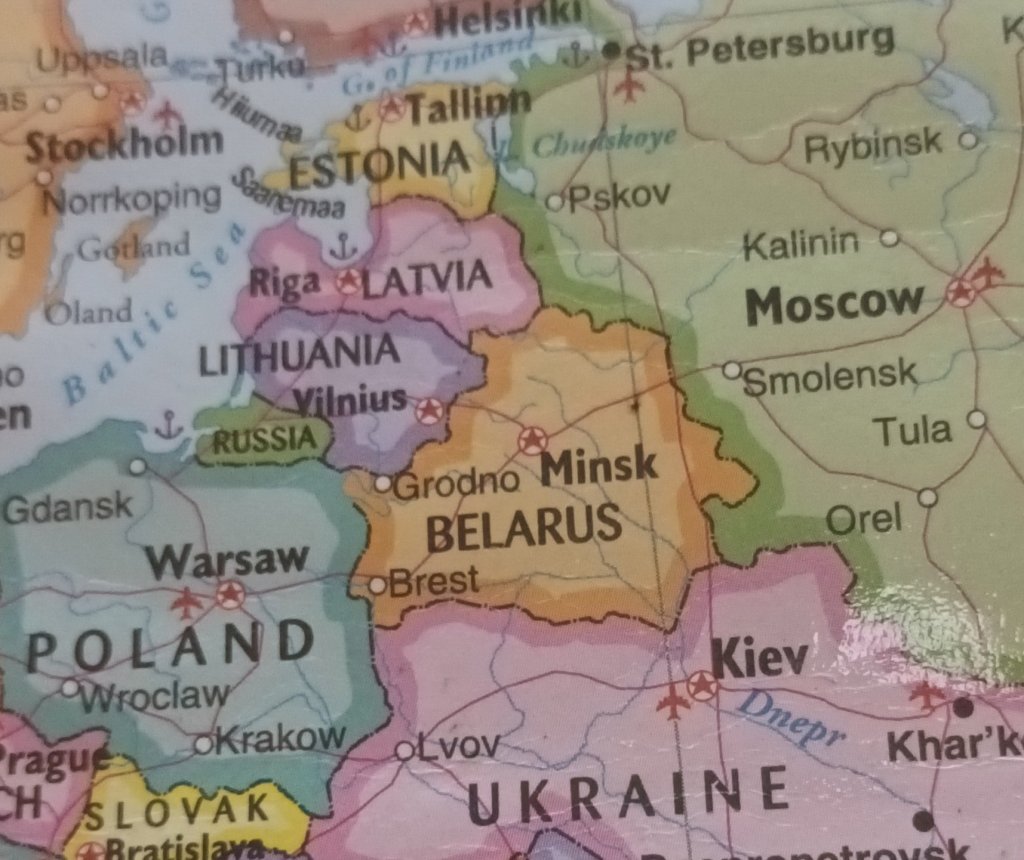
Poland, Latvia, and Lithuania, countries sharing borders with Belarus are growing apprehensive as the Russian mercenary group Wagner almost relocated itself from Russia after a so-called coup attempt. So-called because now it has become apparent that all this was needed to form a Wagner training base in Belarus.
The next move may be the arms and weapons supply routes from these countries into Ukraine. Poland responded with 10000 plus troops on the Belarus border as tensions grew after Poland’s air space entered by Belarus helicpters. Poland is approaching elections, officially announced by Polish president Andrzej Duda to be on 15 October. One of the major issues of the elections will be migrants.
Latvia grew more apprhensive as it shares boundaries with both Russia as well as Belarus. The migrant issue has already been a headache. RadioFree Europe/Radio Liberty says that according to authorities, almost 5,300 people have been prevented from crossing the border illegally in Latvia so far this year. The Moscow Times quoting AFP on August 7 reported that Poland has already accused Belarus and Russia of orchestrating another migration influx into the European Union via the Polish border in order to destabilize the region. The Polish Deputy Interior Minister Maciej Wasik said,” We’re talking about an operation organized by Russian and Belarusian secret services that is getting more and intense.”
They have parliamentary elections on October 15, Of course, they need to escalate the situation…to show they have properly armed (Poland),” Belarus president Lukashenko said. And also, ” We need to talk to Poles. I ordered the prime minister to contact them, “according to state news agency Belta as reported by ALARABIA news portal.
-‐——————-
A special feature about the press note of David Kordansky Gallery in a bit of condensed form is given below, especially to underline the importance of ‘Arts’ and art galleries in promoting harmonious growth and appreciation of fellow human beings’ thoughts and expressions deep under promoting democratic values.
David Kordansky Gallery is presenting 20, a group exhibition celebrating the gallery’s twentieth anniversary, on view in Los Angeles at 5130 W. Edgewood Pl. from July 8 to August 19, 2023.
Since 2003, when it first opened in the Chinatown neighborhood of Los Angeles, David Kordansky Gallery has grown into one of the defining galleries of its generation, as well as one that comprehensively embodies concurrent transformations in the Los Angeles art world and beyond.
20 provides an up-to-the-moment snapshot of the gallery’s program, highlighting the dialogues, correspondences, and distinctions between the members of its diverse community of artists. Featuring many works created especially for this occasion, the exhibition provides windows into the minds of artists who interact with the world, their chosen materials, and their ideas and impressions in singular ways; it also provides a window into a collective experience of artmaking at this particular time, when the world of art has undergone profound structural, geographic, economic, and social changes.
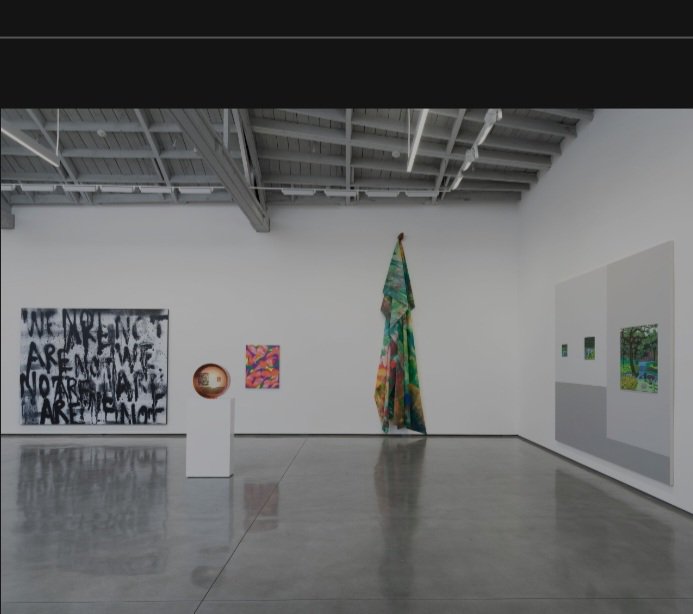
Because David Kordansky Gallery’s evolution directly informed the evolution of Los Angeles as a global hub for contemporary art, 20 tells the story of transformations that are larger and more profound than those contained in any one institution. It also shows how each iteration of the gallery remains present and alive in its current—and still-changing—state.

The gallery’s ability to represent the tight-knit, community-based ethos of its first years of activity in Chinatown at international art fairs, for instance, was instrumental in fostering dialogues between young artists in Los Angeles, London, and continental Europe—conversations that are very much ongoing among the artists included in this exhibition.
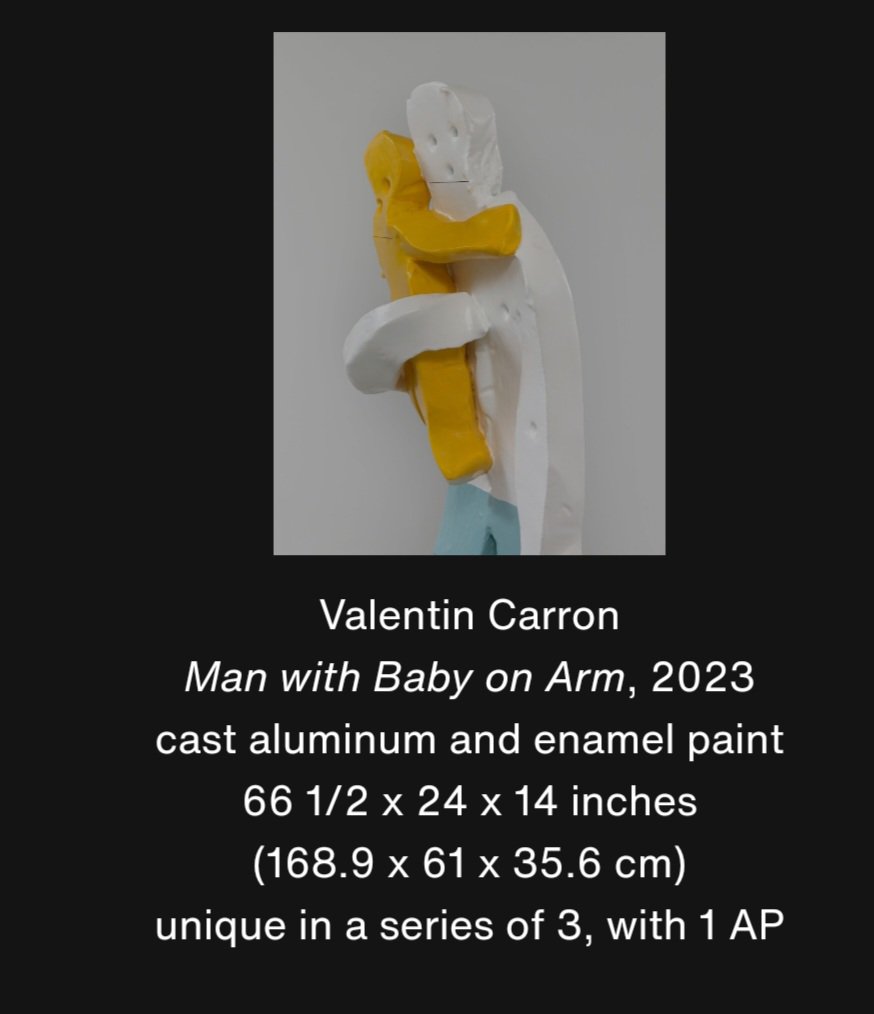
A selection of books and ephemera, curated by David Kordansky, offers visitors the opportunity to learn about the gallery’s print history and important influences that have shaped its growth, attesting to the gallery’s ongoing commitment to fostering communication and questioning the foundational values that drive commercial and non-commercial activity in the arts.
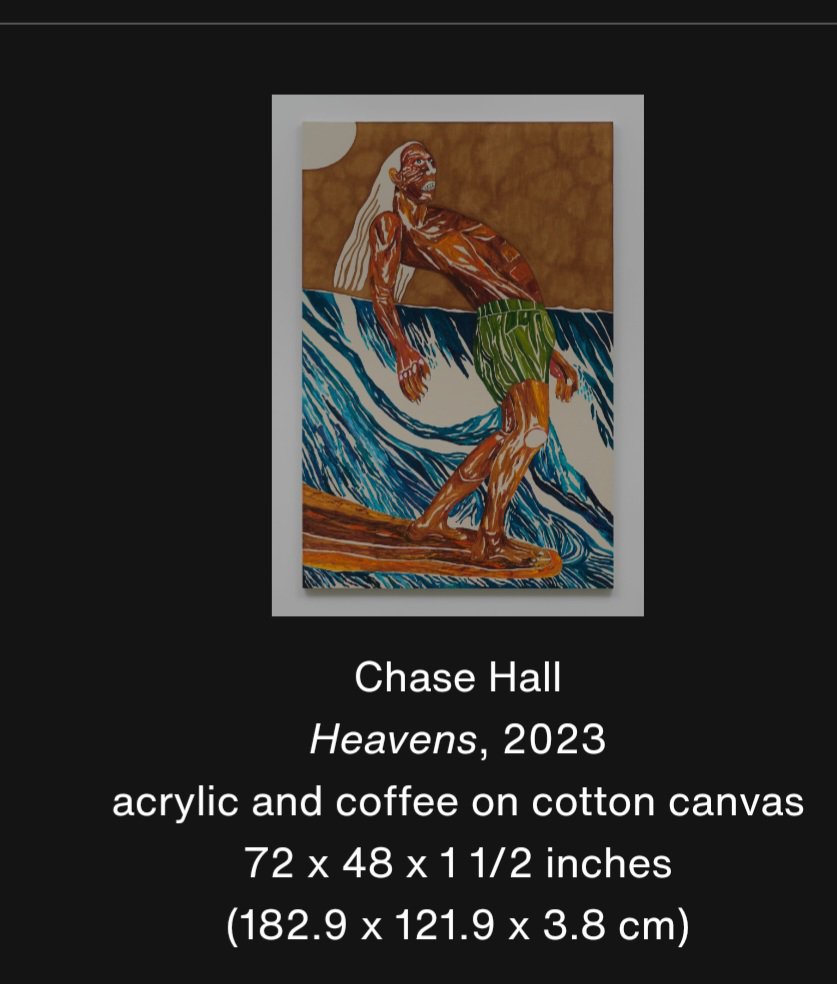
In 20, works by Los Angeles-based artists born in the 1990s, like Mario Ayala and Lucy Bull, can be seen alongside major works by internationally recognized icons like Sam Gilliam and Betty Woodman, who were born in the 1930s and have impacted the trajectory of twentieth and twenty-first century art in influential and documented ways.
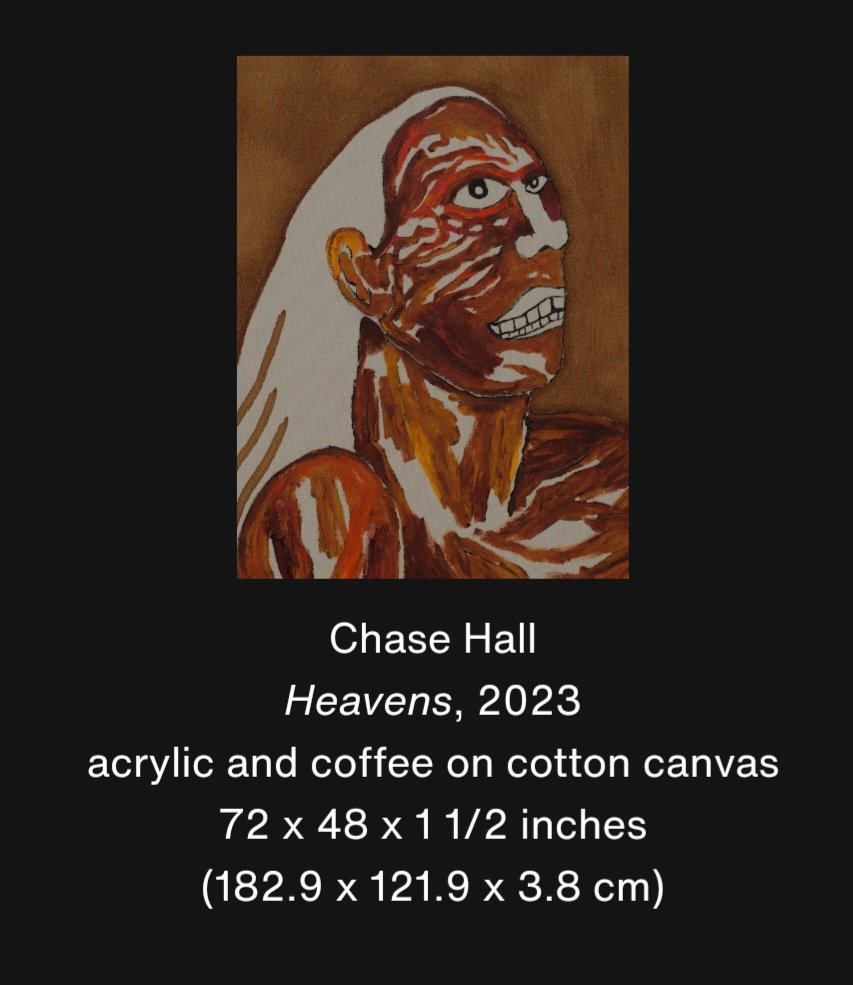
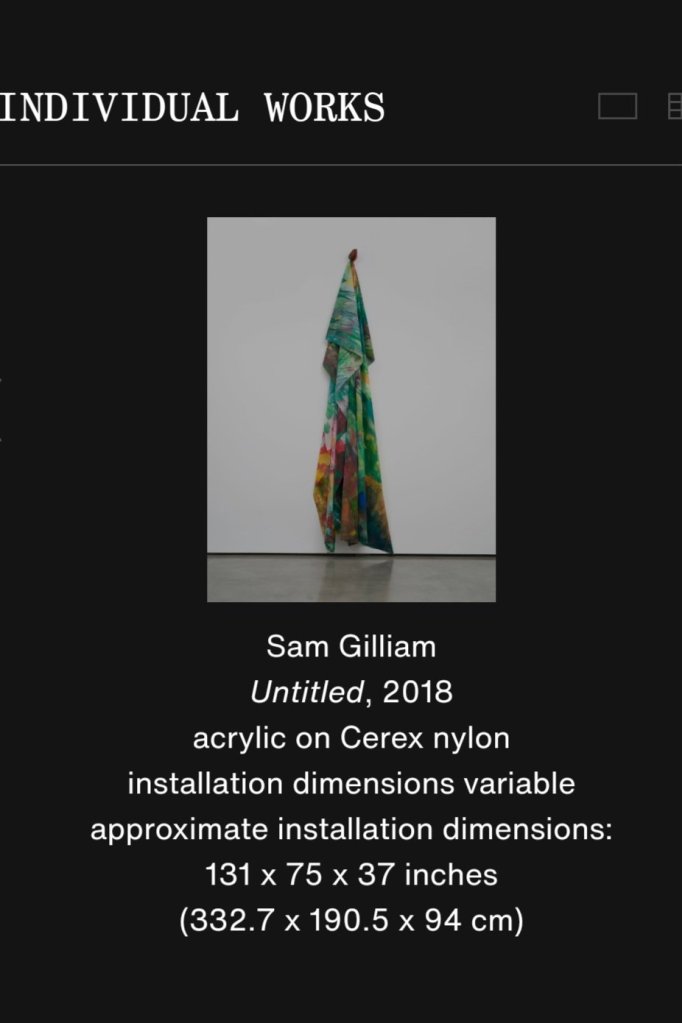
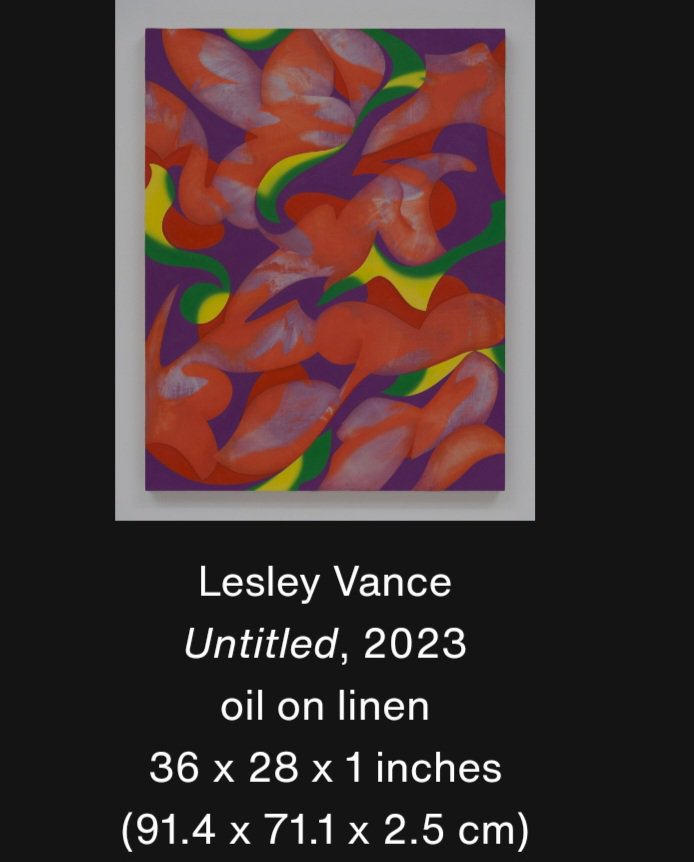
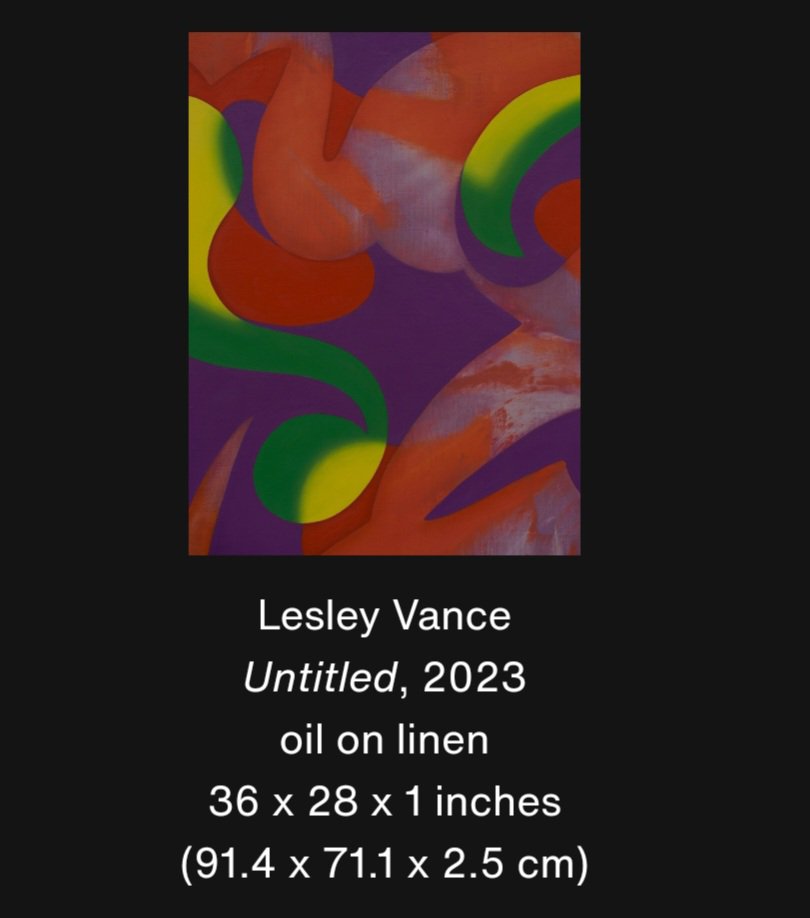
Showcasing such juxtapositions has long been one of the gallery’s primary aims, even from its beginning twenty years ago when a local group of young artists constituted the core of its program. One of its first shows in 2003 featured the Los Angeles-based filmmaker, photographer, and writer William E. Jones, who is represented in 20 with the debut of a new series of paintings—a move that captures both the historical spirit and present-centered experimentation that animate the exhibition and underscore the gallery’s openness to regeneration.
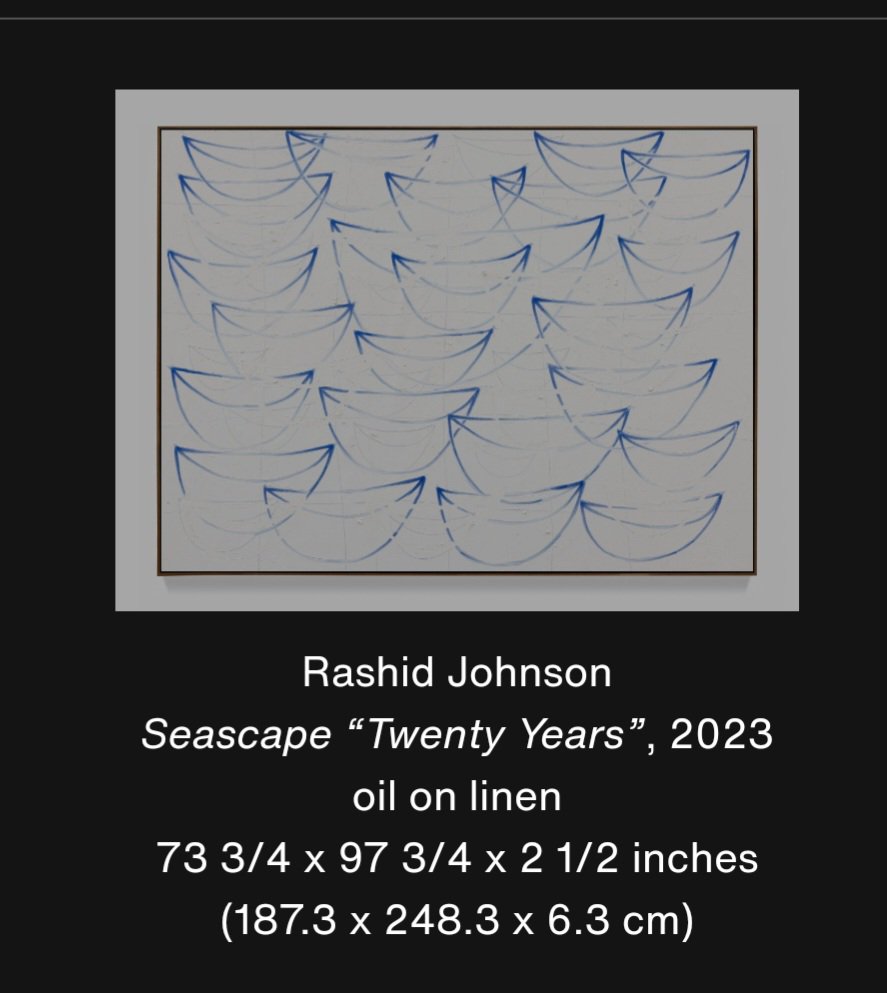
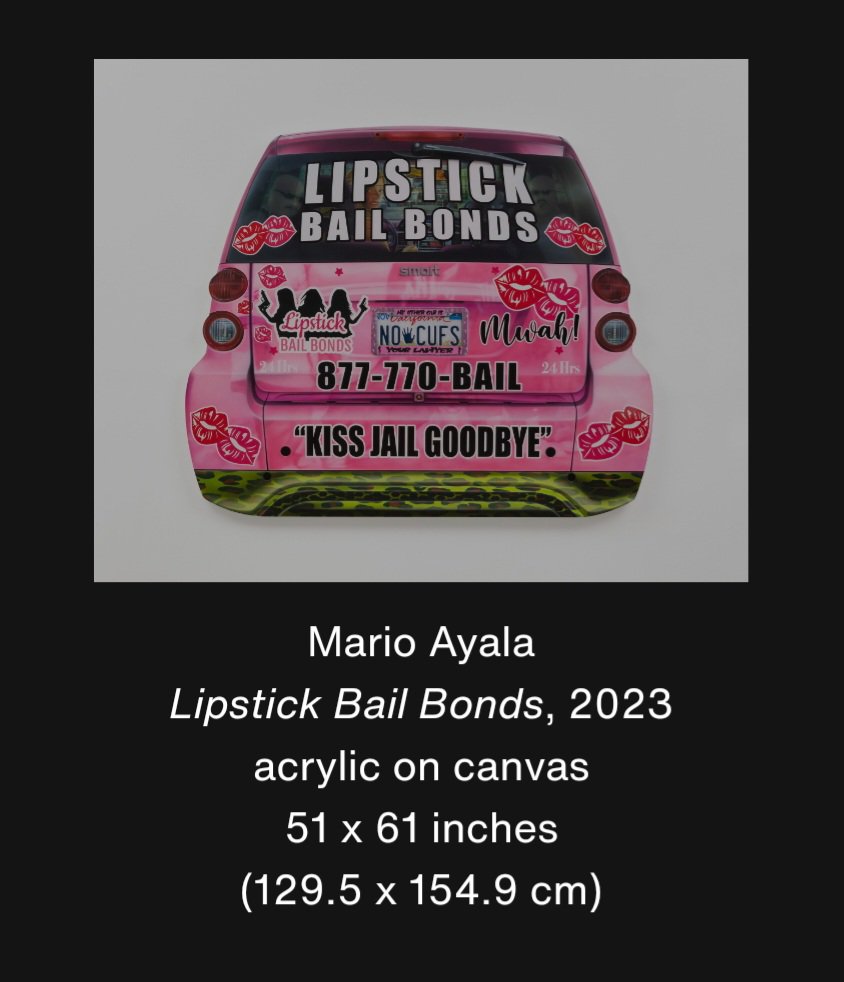
David Kordansky Gallery has long been concerned with providing space for artists to look both inward, toward the development of their mediums and the personal motivations that drive them to make art, and outward, toward the environments in which their artmaking arises and evolves. Regional, global, intimate, expansive: any given work can be a contradiction that provokes the rearticulation of pre-existing categories.
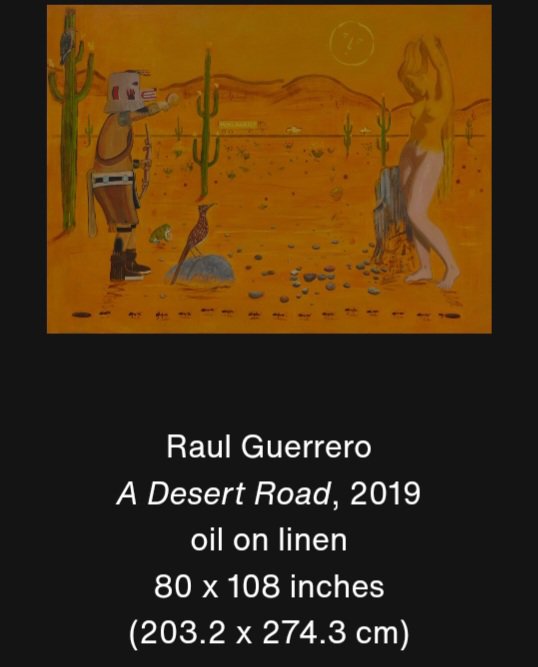
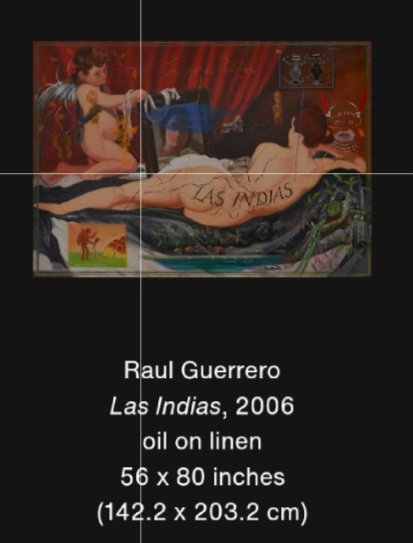
A new painting by Raul Guerrero, for instance, wryly depicts conquistadors trudging through a flora- and fauna-filled jungle scene where futility, exasperation, loss, and the fecund humor of the natural world co-exist uneasily, requiring second, third, and fourth glances to make sense of their complex relationships.
Two excellent artworks by Raul Guerrero
An expansive neon painting by Mary Weatherford, meanwhile, suggests that experiences of the ocean are not only expressions of visual or tactical sensory perception, but also internal reflections in which poetic association, historical musing, and emotional responses all play important roles.
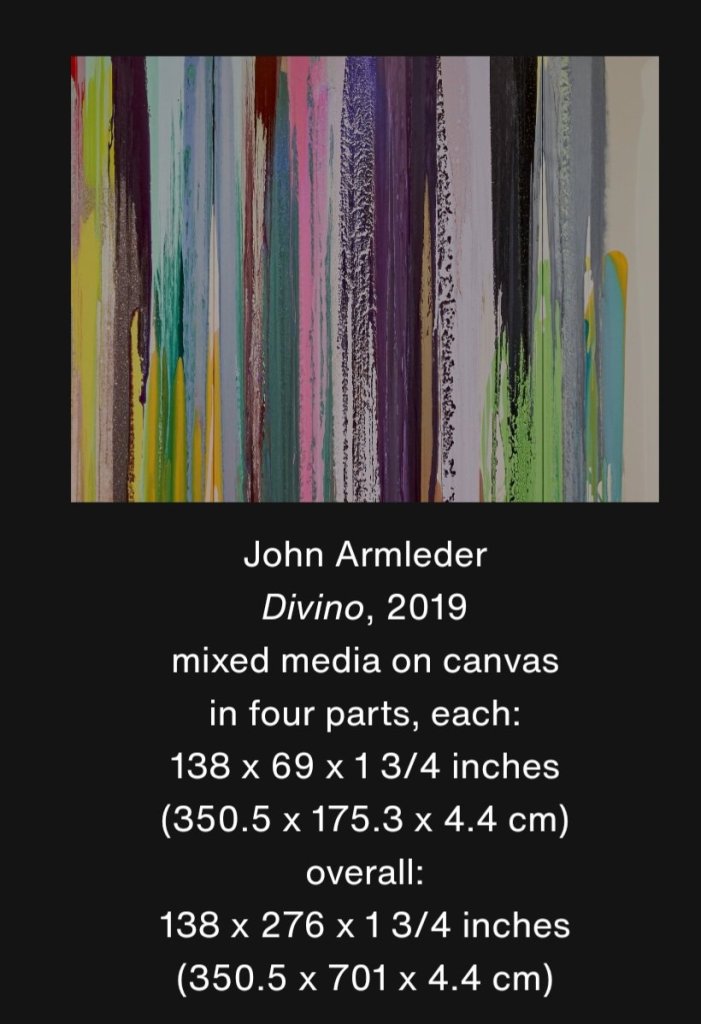

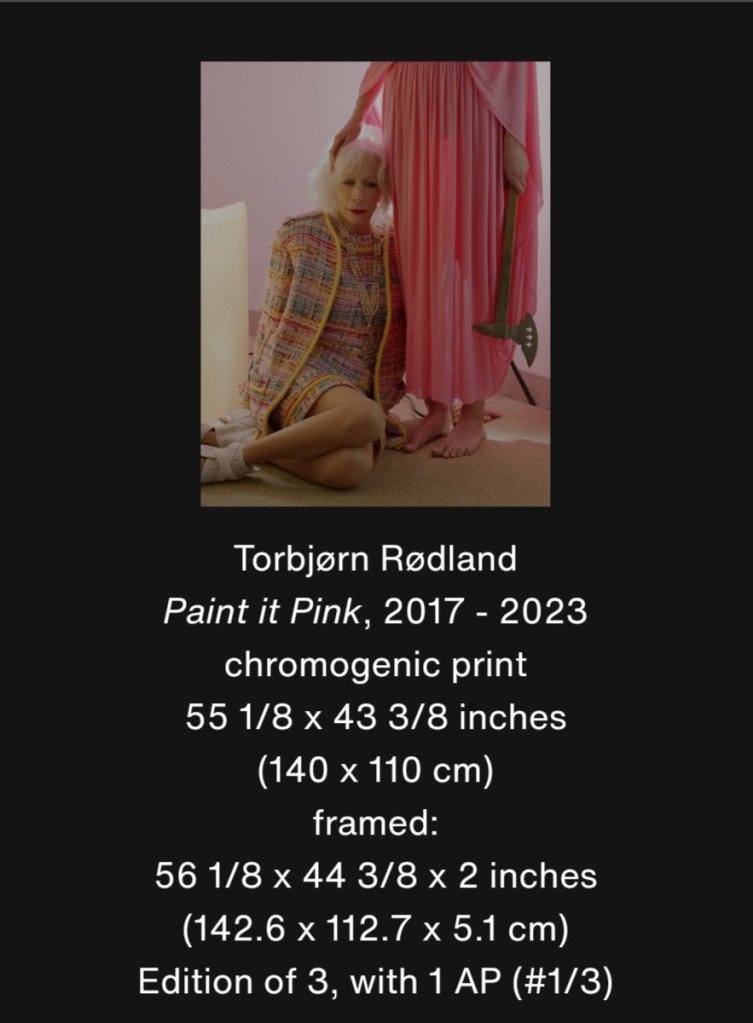
During decades in which internet-based communication and social media have become dominant forces, the gallery has steadfastly advocated for the importance of physically embodied encounters with art, even when exhibiting artists like Guan Xiao and Shahryar Nashat whose work directly addresses digital conditions.
As artists like Huma Bhabha, Evan Holloway, Ruby Neri, and Ricky Swallow make plain, however, technology doesnot always have to do with what is new. It is also present in handmade things and processes that are as old as civilization, in materials like wood, clay, and bronze whose use requires cutting, casting, glazing, and changes in temperature. Regardless of medium and position relative to historicity, art offers opportunities for real-time interaction with the products of human creativity.
The gallery has long held that this interaction is itself a creative act that cannot be replicated virtually, despite the important ways new modes of communication have made dialogues around art more expansive and democratic.Communication, and the symbols of which it is built, gives people access to each other’s dreams and memories.
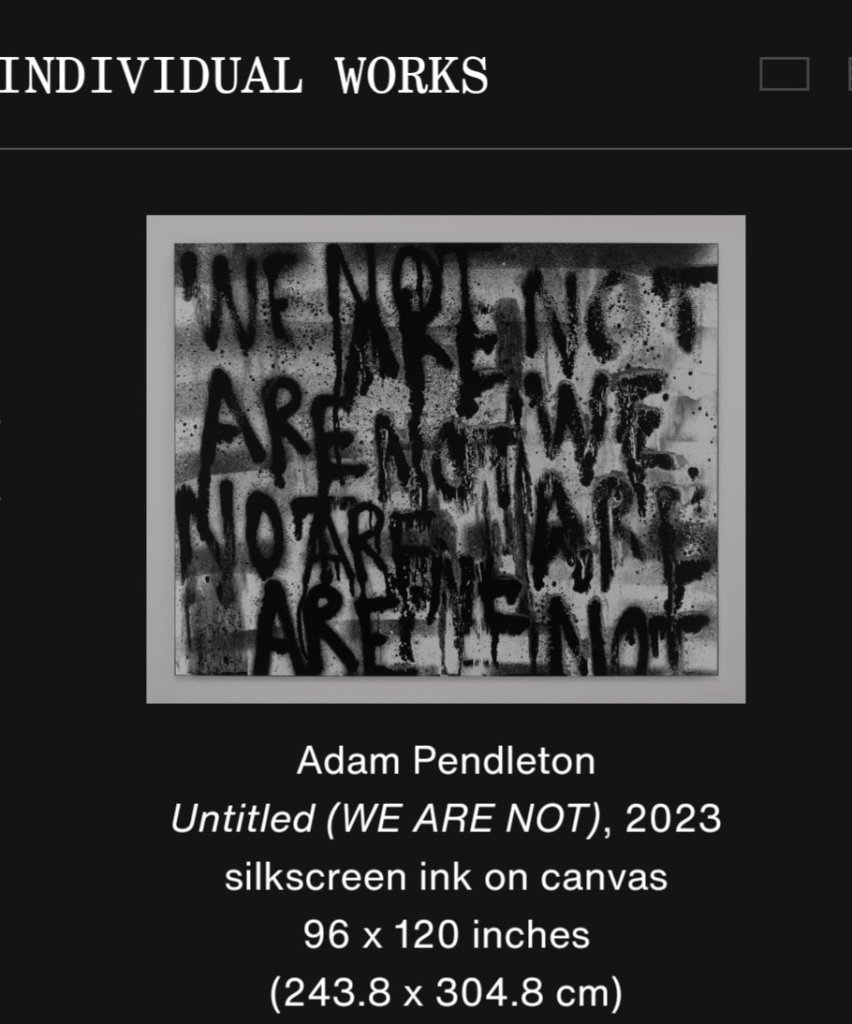

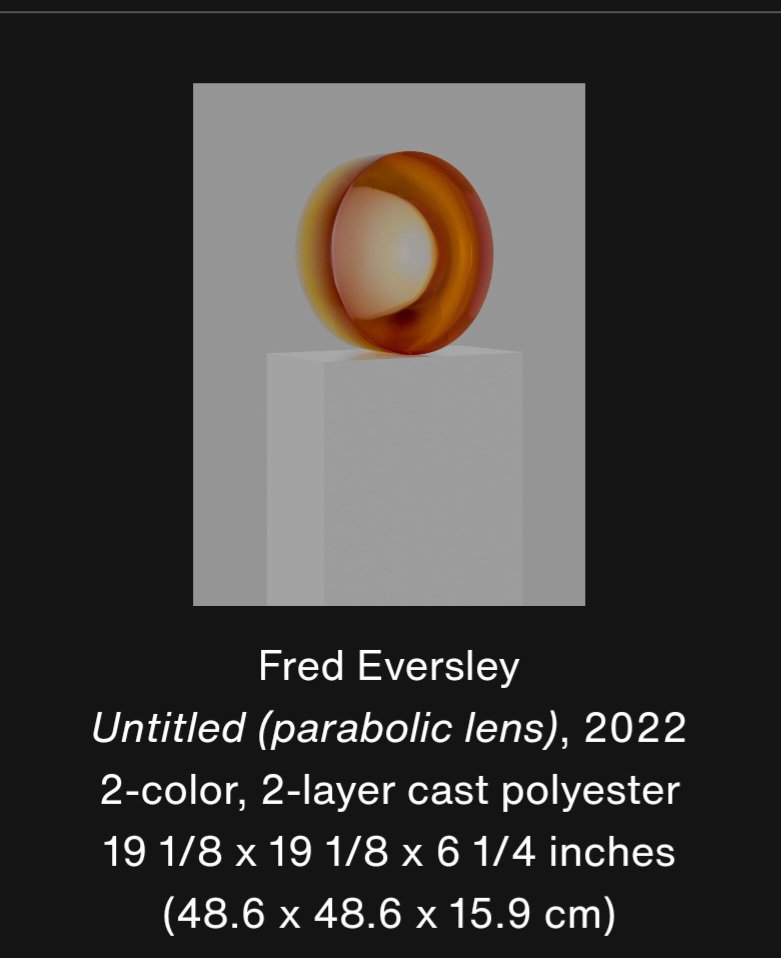
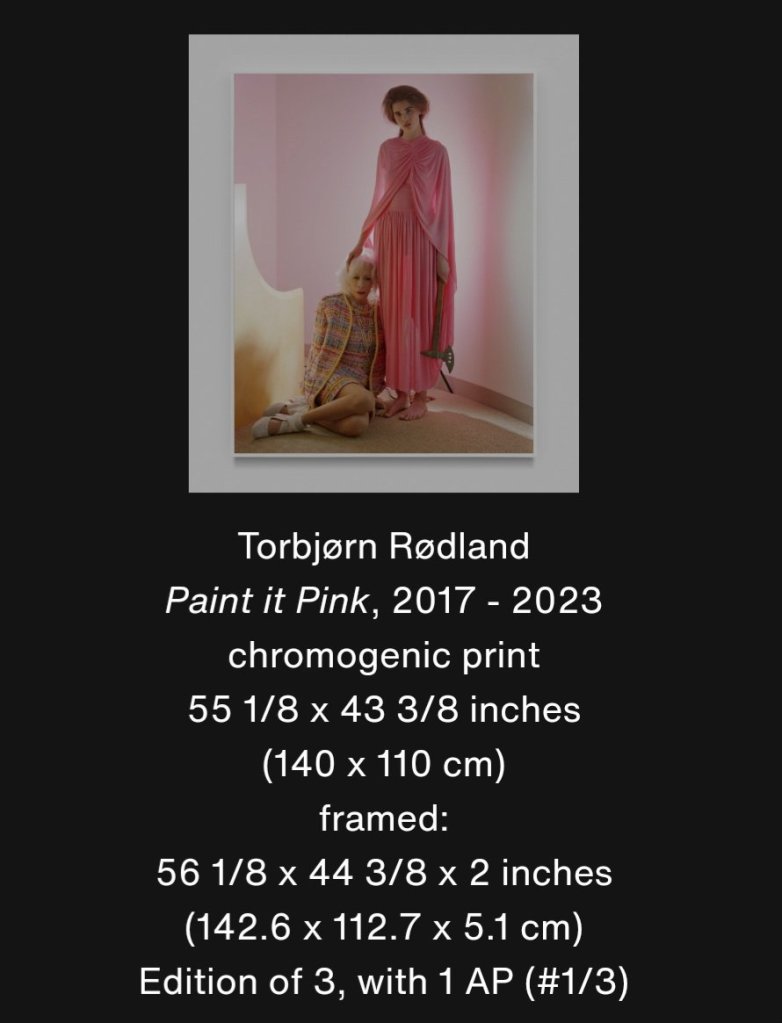


For the entirety of its twenty-year history, David Kordansky Gallery has sought to provide a container whose clarity, care, and heart enable artists to engage in such communication as openly and as fearlessly as possible. 20 is, in this respect, no more and no less than another show. Inasmuch as it commemorates the past and posits new directions for the future, the exhibition is primarily oriented toward making space for what its four dozen artists have to say today, about today. It is, in other words, a celebration of the current moment. Like the work of artists as distinct from one another as Lauren Halsey, Chris Martin, and Tom of Finland, 20 is also a paean to the power of community. For more details and some more glimpses of creative minds and, of course, the art gallery ,follow https://www.davidkordanskygallery.com
□□□□◇◇◇◇●●●●○○○○♤♤♤
Ancient Crime Laws of India; Changed after more than 150 years!
Credit to ruling BJP and blame on all political parties, including them, too!
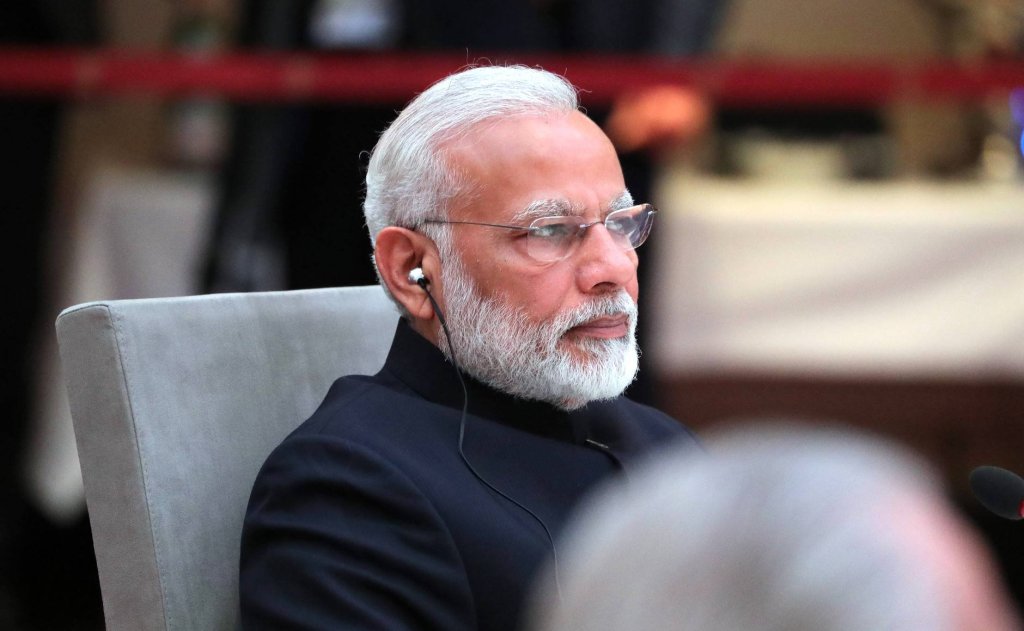
India became independent in 1947. Surprisingly, the Penal Code and Laws for Crime in India continued from the erstwhile British Raj , nearly from the 1860s. Just see the years of creation of these laws, and you will see their ancientness, and you will be surprised that why the political parties and their famed leaders haven’t given any consideration to it yet. Indian Penal Code is of 1860, CrPC- Code of Criminal Procedure is of 1973, and Indian Evidence Act is of 1872. The central justice system was nothing but British centric laws of the last century acted only on behalf and for the welfare of British Raj.
It’s really frustrating to think what the ruling political parties of independent India were doing about the laws made to facilitate arbitrarily English Raj over till now? It’s entirely to BJP’S credit that it has considered alteration,cancellation, and renewal in the structure of these decrepit laws, which were made by the British to guard the interests of British Raj and imperialist purposes. Now, the past Indian Penal code will be Bhartiya (Indian) Nyasa (Law) Samanta (Code).
Home Minister Amit Shah said that the sedition law is repealed and now considers endangering sovereignty, unity, and most importantly, integrity of India.
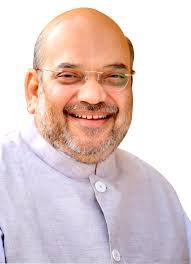
Prime Minister Narendra Modi and his government, earlier, to its credit the abrogation of Act 370 about Jammu and Kashmir. Another achievement of it is the modification and cancellation of age old, useless and meaningless laws.
An important new law, that will try to wipe out the smear of anti Muslim stamp on BJP, that will now come into force, is the death penalty for mob lynching- a heinous crime seen across the country, particularly in lynching Muslim persons transporting cattle and cows illegally to abbetoirs. The new law will now see to it that if the mob wrongly takes law in his own hands and act, the ultimate penalty is death by law.
The laws underwent transformation is surely a great move initiated by this government and should be lauded. Just look at the year the laws are formed into, and you will understand its importance.
The Indian Penal Code came into existence in 1860 and continued for 163 years. Indian Evidence Act is of 1872 and has been running since 172- years, and Code of Criminal Procedure is of 1973, running for the last 60 years. The crime and justice mechanism thus centered around the decrepit laws was disapproved helplessly by the law machinery from time to time, falling on deaf years of past ruling governments and political parties. Though there was an absolute majority for the ruling BJP since 2014, one wonders why this development took such a long time.
 the-curators.org
Leave a comment