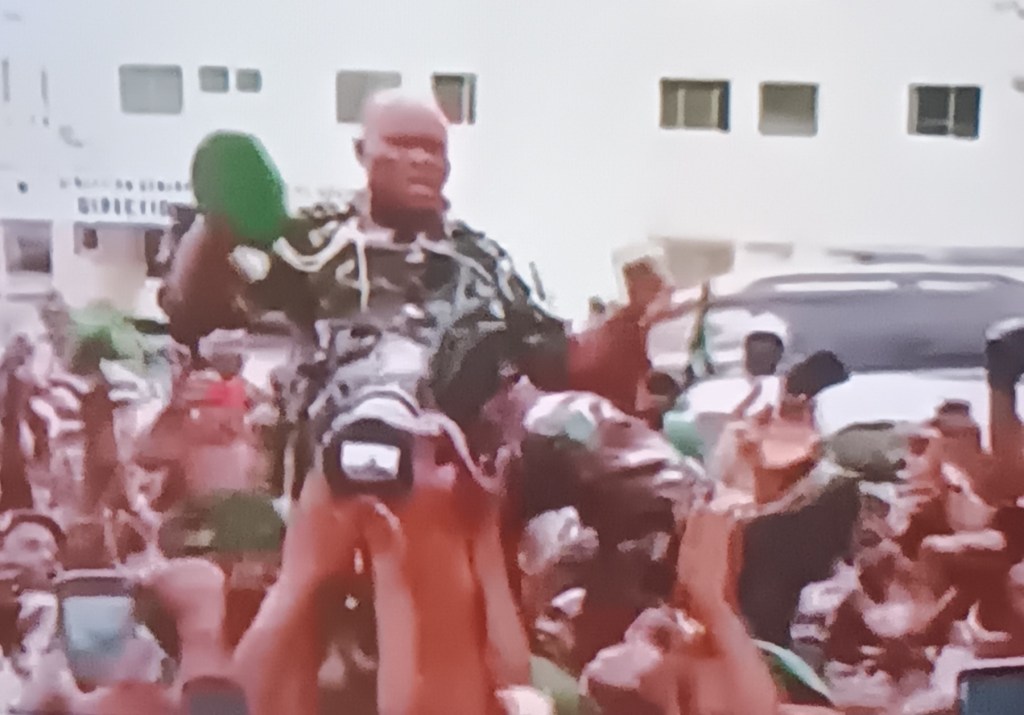
Several African countries are undergoing changes. Just like some Arab countries witnessed ‘Arab Spring’ where people changed intolerable ruling systems.
People are supporting coup after the coup by soldiers that are toppling governments, run as family estates, in several African countries formerly colonized by France. A string of coups is observed in the African region where France has colonized several African nations in the past.
The spread of coup culture that is started from Mali , Burkina Faso, Guinea, and Niger now reached Gabon. It was also a former French colony and one of the countries where French is the major language. The countries whose primary language is French are called Francophiles, and the zone is called the Francophone Zone. As observed in Niger, Gabon also followed a similar trend of coup declaration by soldiers on National TV, handing over the country to the chief of Presidential Guards, shutting down the boundaries and partial suspension of Internet. Even the people also declared their support to the army coup by coming on streets and celebrating just like Niger.
The French PM Elisabeth Borne said France is following events ‘with the greatest attention. Gabon’s general elections were concluded last Saturday, and the ruling President Bongo has won the elections. He and His family have held power for not several but 53 years in Gabon.
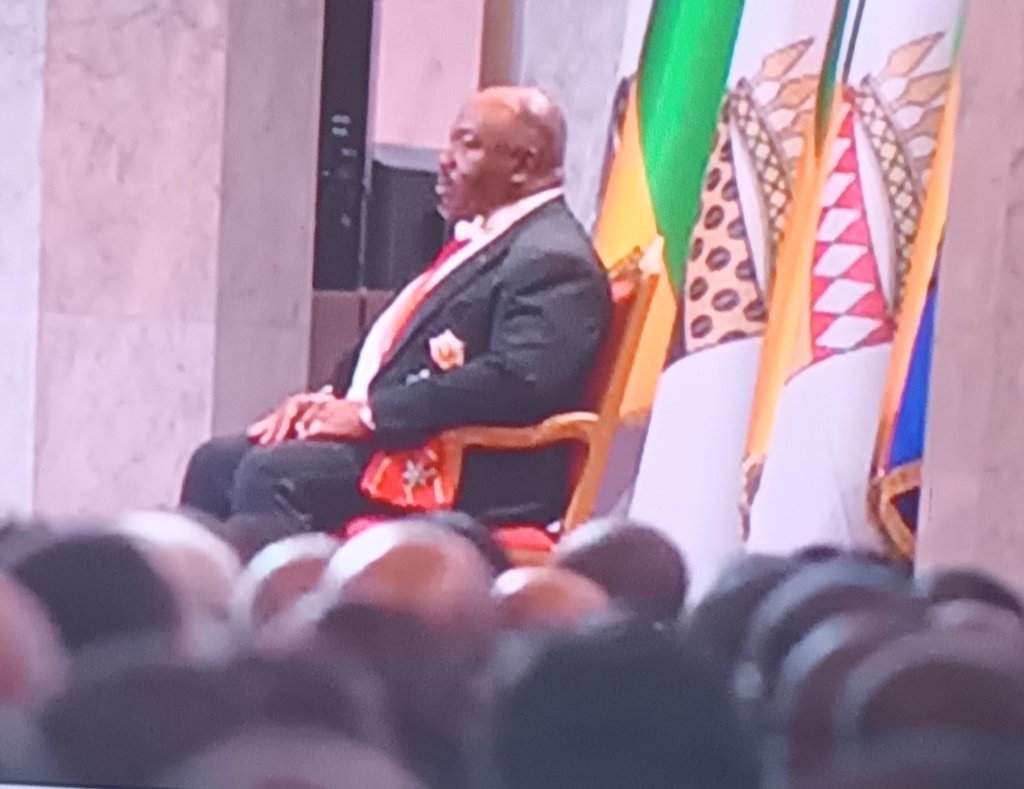
The opposition has accused the elections as fraudulent. Twelve soldiers appeared on Gabon TV early today and declared that the election results were canceled and they were dissolving all the government institutions.
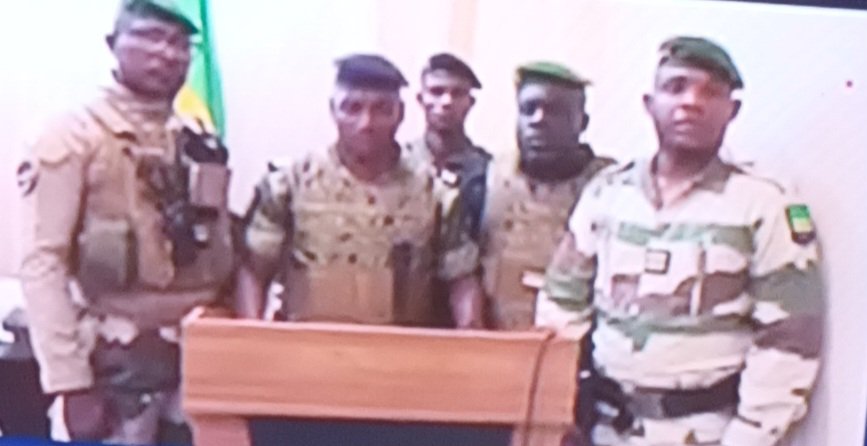
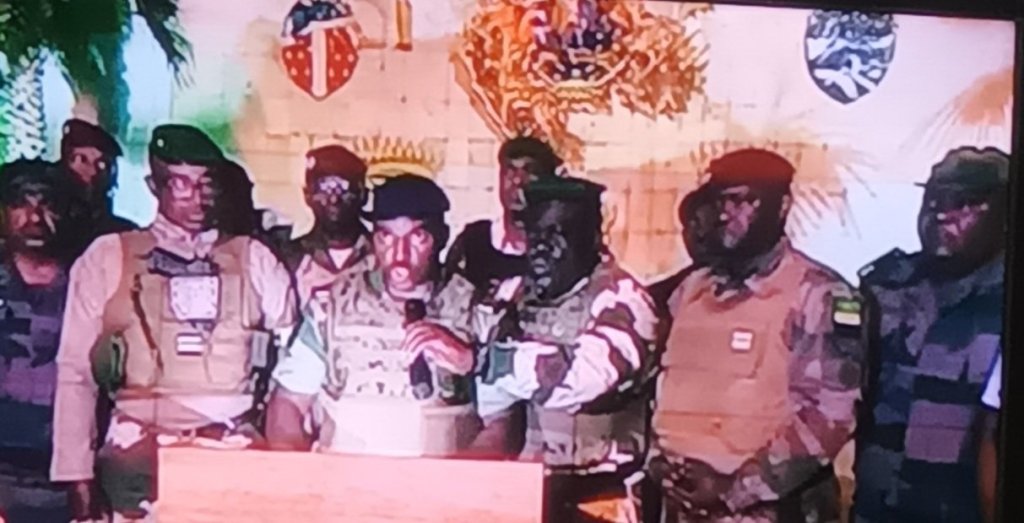
Mr Bongo is placed under house arrest. The soldiers announced that Bongo would be replaced by the head of presidential guard, Gen Brice Oligui Nguema.
The earlier elections were marred by violence, and many Gabons preferred to avoid voting, fearing violence.
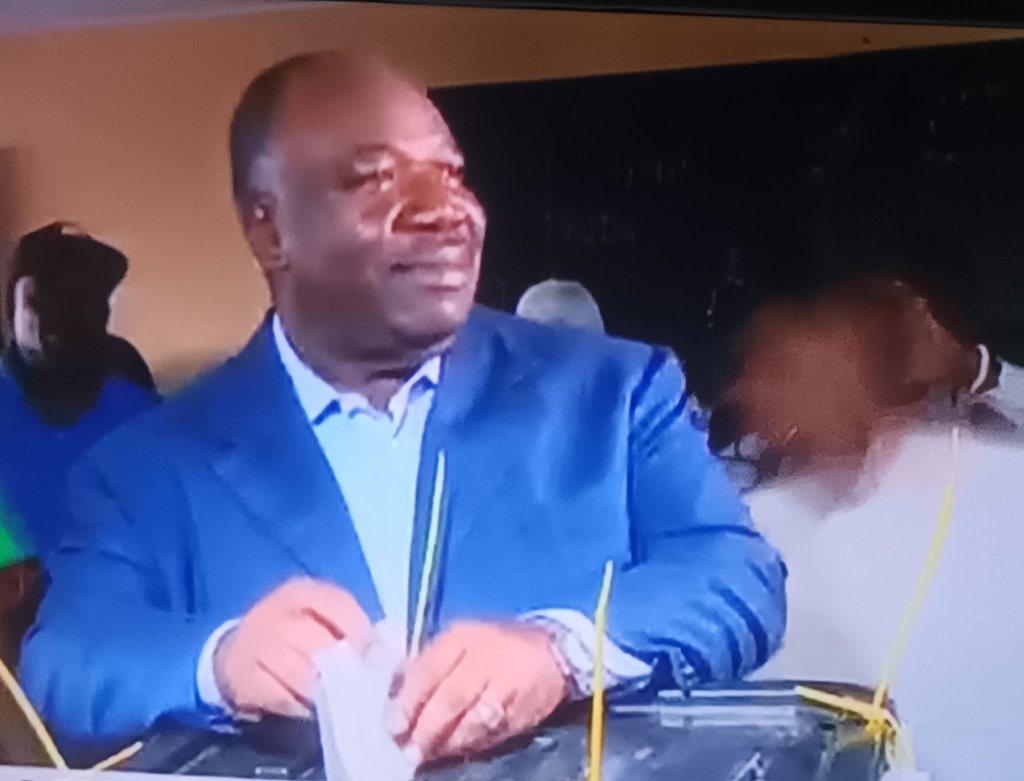
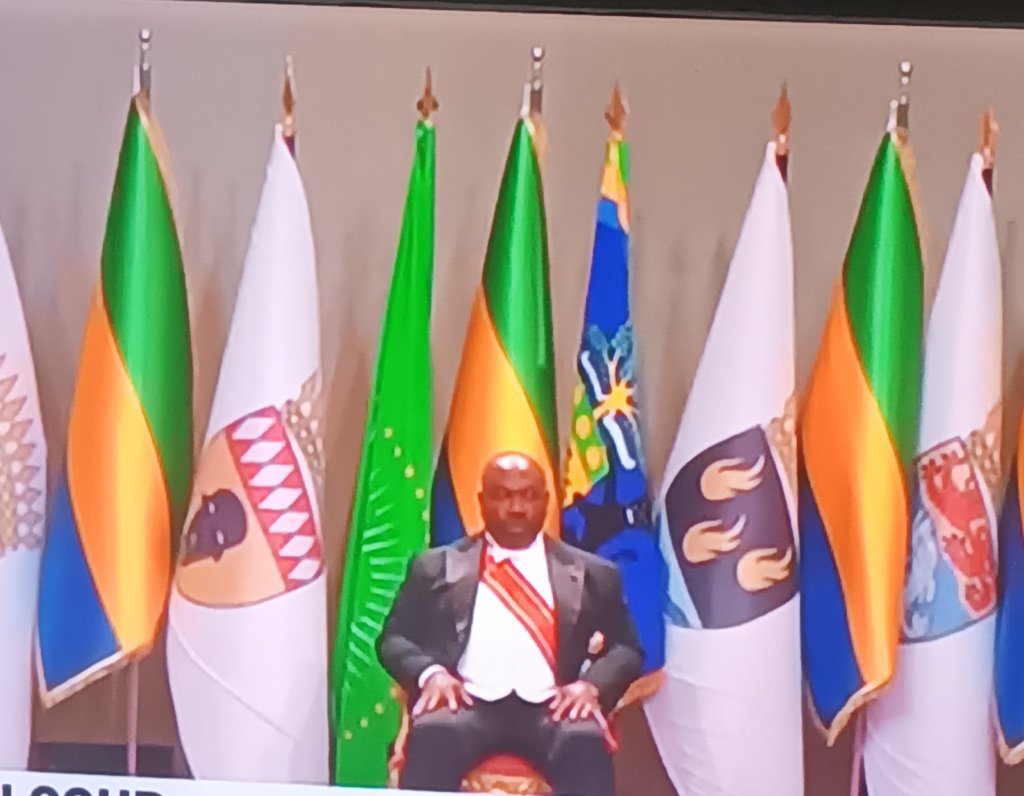
Russia and China have expressed concerns over the happenings and well-being of Bongo. EU Foreign Chief Josep Borrell said this is likely to increase instability in Africa. There is a presence of nearly 400 French soldiers and French mining companies, and one of them, Eramet, announced that it had stopped all work for security purpose. Eramet mines manganese and operates a rail transport company. Gabon got independence from France on August 17, 1960. It is covered by dense evergreen tropical forests. Agriculture and mining are two important sources of income. Coco, coffee, rice, Groundnut, and Sugar–cane are the main crops.
Mr Ali Bongo Ondimba is 64, and there is no word from him yet. As recently as on August 17 he said, on the occasion of independence day, “While our continent has been shaken in recent weeks by violent crises, rest assured that I will never allow you and our country Gabon to be hostages to attempts at destabilization.
The difference between the countries of Sahel region and Gaben is that it has not been invaded by jihadists. But there is unemployment and inflation. It is a relatively stable country with dense forests and minerals like uranium, gold, silver, manganese, and crude oil. It is a member of OPEC and produces nearly 180000 barrels a day.
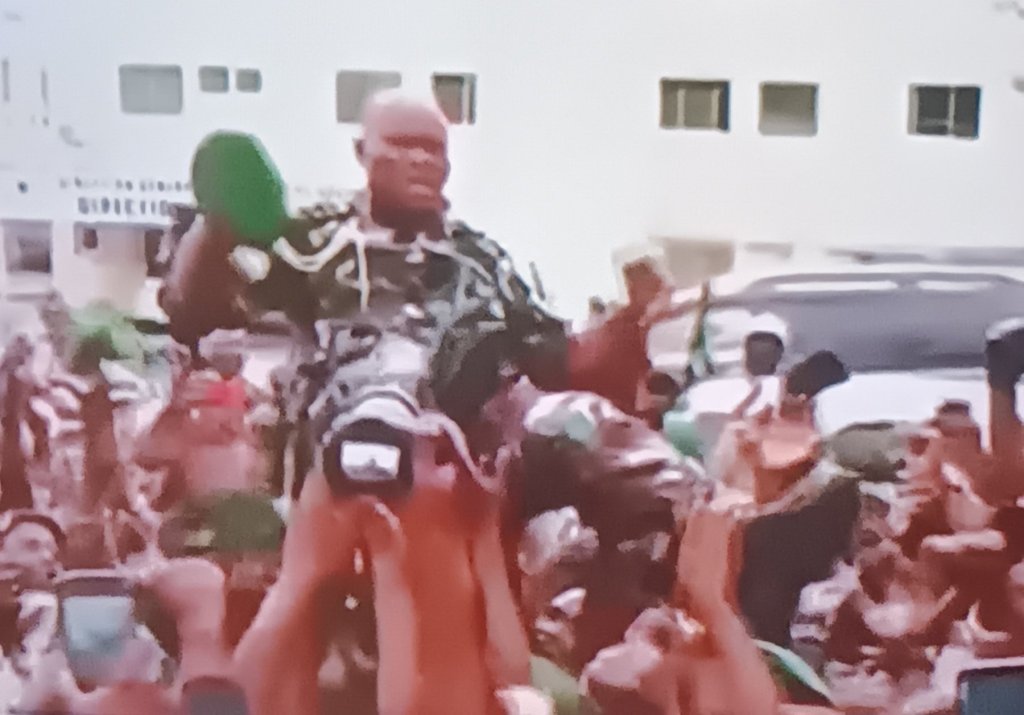
Euronews says that the Gaben issue will be discussed at the meeting of Defense ministers of 27 Euro countries at Sapin on Wedneesday and foreign ministers on Thursday. Euronews further reports that members of the Bongo family are under investigation in France, and some have been given preominary charges of embezzlement, money laundering, and other forms of corruption, acc. To French media reports, driven in part by a broader pust for justice by non-govt org. that have long accused multiple African heads of state of embezzling public funds and hiding them in France.
This particular coup poses many questions to the world order primarily. If the government was elected democratically, why are the people favoring soldiers creating a coup? Why are they celebrating? If the country, that is the common people are not privided basic infrastructure necessary for development and if the inflation, unemployment was high in spite of the country endowed with such natural wealth why the world organizations took no cognizance of it. And, if the majority of kith and kins of the president were residing in France and there they were misusing the privileges, why apart from taking action in France, France allowed people of her former colony to suffer? And, most importantly, if the elected government wasn’t working for the welfare of the people, why was the international community ordering it to be restored? Why were the elections carried out without international supervision? Were the democracies in the continent allowed to continue on the merit of its head’s loyalty to other countries only?
The only positive factor of the Bongo government was its ecological perspective. Will this power transfer be able to do justice to its natural bounty in these sensitive times of conservation and climate warming? This fact increases the responsibility to deal sensitively and if time comes, forcefully with such countries. Africa is playing an immense role as a carbon absorber through its still considerable vegetation, and the world should not allow the callous exploitation of its invaluable natural resources.
ALJAZEERA referred Michaek Amoah, a senior visiting fellow at the London School of Economics, who says people in former French coloies in Africa are tired of leaders clinging to power. “This is Francophone Spring whereby the anti French sentiment in a mumber of Francophone countries is now having a domino effect from Mali to Burkina Faso to Niger and now to Gabon”.
 the-curators.org
One response to “Francophone Spring?”
It is much informative. It seem there are lot questions to be answered
to know why series of coups are taking place , with open support from public. కంచె చేను మేస్తే…?” A proverb in Telugu – means: “If Fencing were to eat away the crop yield….?” this sort of things will happen under such situations.
LikeLike