
The Iranian president threatened to exceed the enrichment purity level of uranium to bomb-grade uranium. The US on high alert had issued warnings that Iran could target US and commercial ships of other countries after Tehran threatened to close the vital sea trade route of strait of Hormuz.
The US deployed Patriot missiles and carriers in the water of the Middle East. In a diplomatic flurry of multiple actions, the US and Iran foreign ministers, State Secretaries, started flying around the globe explaining their respective positions.
The tensions in the gulf further soared with Saudi oil tankers hit by ‘sabotage’ that damaged 4 commercial ships without any casualty or spillage. Saudi Arabia said that drones attacked one of its oil pipelines. The drone attack came from Houthi rebels of Yemen, along with a message from Houthi spokesman to stop Saudi aggression in Yemen.
US ordered non-emergency embassy staff in Baghdad to leave Iraq amidst mounting pressure. Britain rightly pointed out that things may go out of hand if anything happens accidentally. It has come to fore that the US President Trump also did not favor war with Iran, and perhaps he was using the threat as a leverage for the further negotiations.
In fact, Britain, France, and Germany planned to launch a special payment mechanism that can bypass the US sanctions and will allow Iran to trade with EU companies. This payment mechanism was called INSTEX- Investment in support of Trade Exchanges. Washington warned EU to not to side step US sanctions on Iran. Russia was already under US sanctions. Russia and China said that Iran had not broken the deal yet. After a year of the US withdrawal from the deal Iran was under heavy sanctions and feeling the pinch, announced that it is pulling out the curbs to nuclear programme and thus pressurising other countries in the deal to shield it from US sanctions.
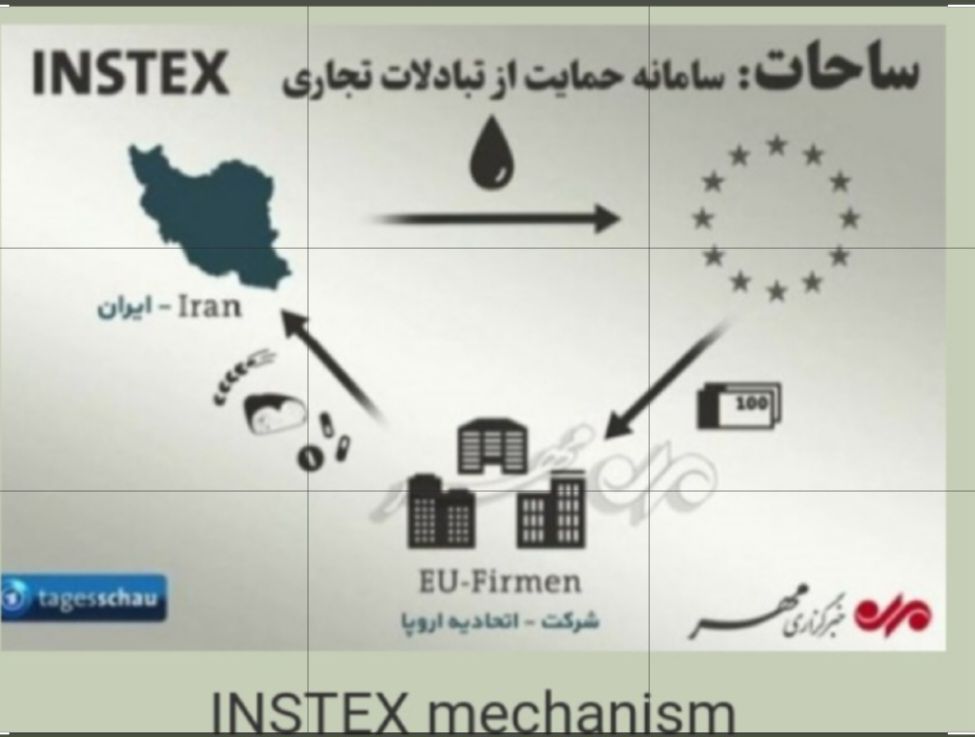
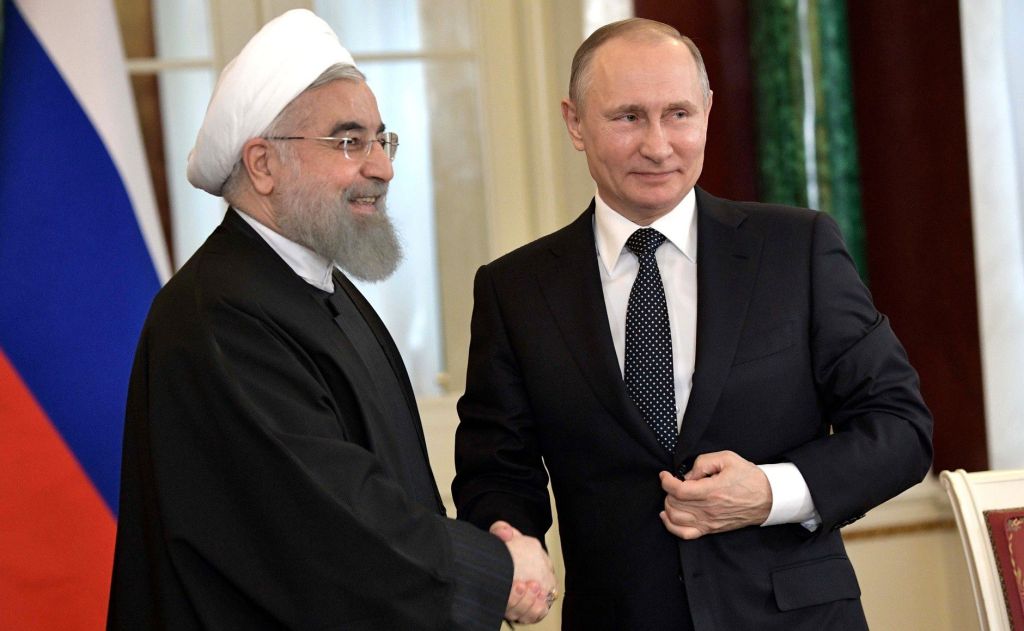
The Iranian President Hassan Rouhani also gave an ultimatum of 60 days. It says Iran would resume enrichment of uranium beyond the low purity- suitable for civilian nuclear programme which is allowed under the deal unless other five nation signatories of the treaty form a way to protect Iran’s oil and bank industry from the US sanctions.
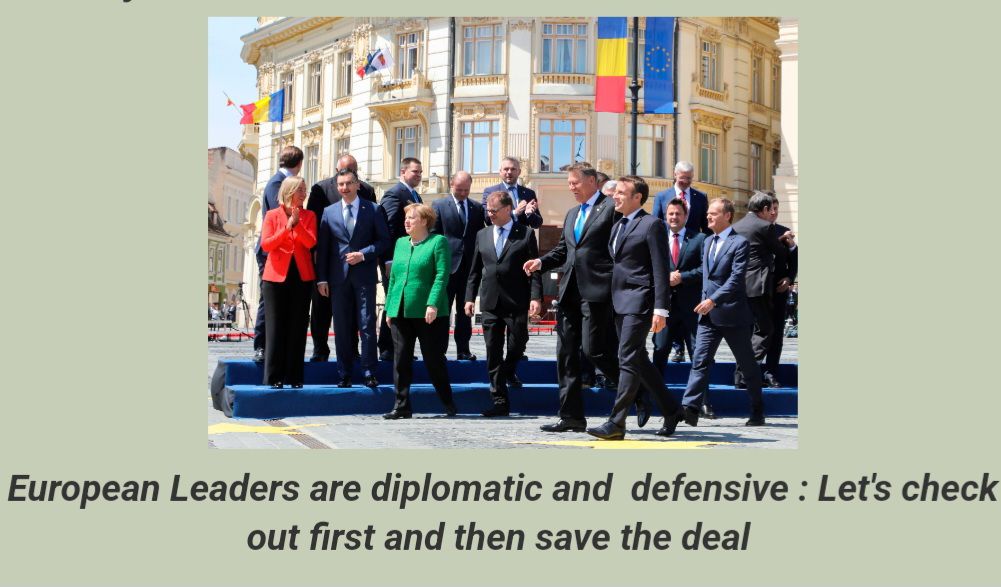
European Nations rejected the Tehran ultimatums but indicated that they would make efforts to save the deal. EU leaders underlined their efforts during a meeting in Sibiu, Romania. ” We will think that the deal with the Iranians was a chance to bring Iran out of isolation. But of course, we realise and we see that the US has a totally different approach, and that is why it will stay a difficult issue.”
Needless to say, the deal was over, causing a wide rift again in the US and Iran relations. Meanwhile, the US tried to establish diplomatic relationships between the arch enemy nation in the Middle East and, in particular, tried to establish Israel firmly in the region.
The Palestine issue took back seats, and new diplomatic winds started to flow between arch foes like Turkey, Qatar, Saudi Arabia, and Israel. China, too, tried its hand in diplomatic negotiation between the countries of the Middle East. Times were changing. Climate warming, CO2 emission made fossil fuels secondary choice to renewable energy sources. Electric vehicles started to play on the streets.
Iran clearly sided with Russia. A new nexus of Russia, China, Iran, and North Korea started to take shape.
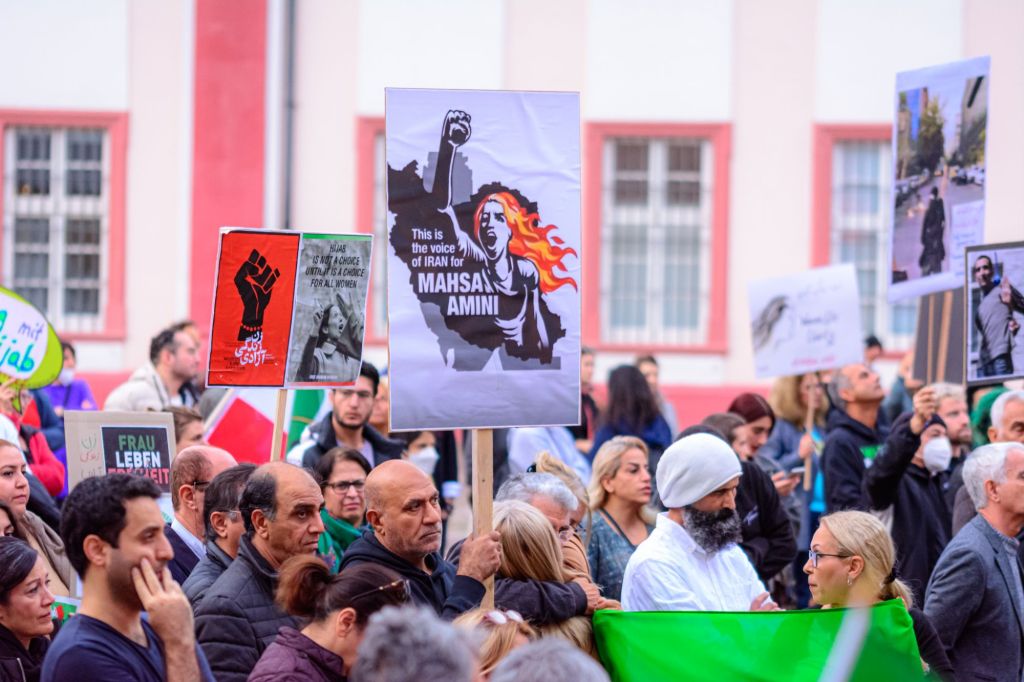
The world opinion about Iran was once again provoked by the death of Mahsa Jina Amini and the overall treatment given to women in the country. Morality police started ‘hijab patrols’. There were no signs of repentance or improvement in the treatment given to people. ‘Human Rights Watch’ says Iranian authorities have killed hundreds of protesters, arrested thousands of people, and tortured scores of detainees, including women and children. It further says Iranian authorities intensified efforts to enforce compulsory hijab laws. They prosecuted women and girls, including actors, who refuse to wear the hijab in public, issued traffic citation for passengers without the hijab and temporarily closed businesses that do not comply with hijab laws. (www.hrw.org)
The region started to change its oil dependent national economic policies. Israel was experiencing political upheavals as no single political party was getting majority and coalition lasting but temporarily.
Benjamin Netanyahu came back in such times, and that too on a coalition ride. He faced tremendous resentment and oppose as Israelis took to street march to Tel Aviv to stop the alterations in the constitution.
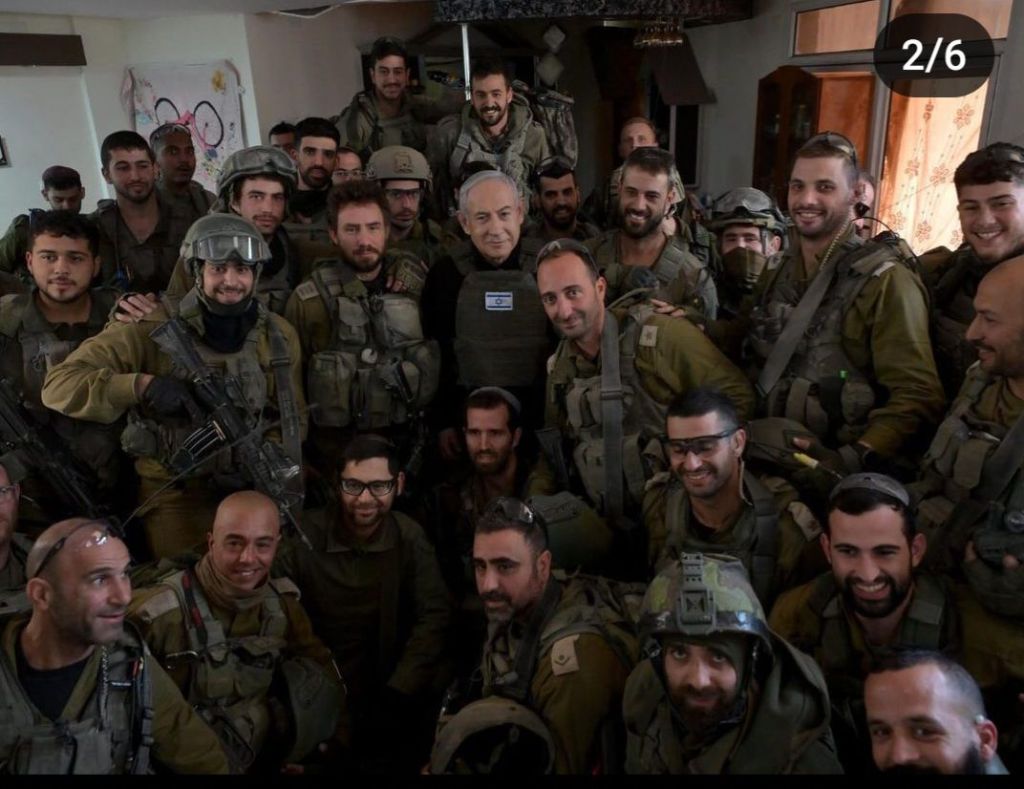
A terrible and heinous attack by Hamas on Israel and taking of hostages shook the world, and human blood started to spill once again on the cursed land. It was clear from day one that this war on Hamas may not remain limited to Israel and Hams and would soon spill over the Middle East. With Houthis, Hezbollah, Lebanon, and Yemen started to encircle Israel, Iran, Jordan, Egypt, Turkey, and witnessed anti- Israel street processions.
The Red Sea traffic of ships and containers soon came under attack by Houthi missiles. Houthis, backed by Iran, Hezbollah, an Iranian stooge, Syria, and Iraq have many military bases run by pro-Iranian terrorist groups. The focus over Iran again became sharp when the US military base in Syria got attacked, and Cargo ships and containers were attacked.
The US and UK retaliated by attacking many bases in Syria and Iraq, which were supposed to be run by the terrorists backed by Iran. A suspected Iran backed Kataib Hezbollah group commander suspected of attacking a US base that killed 3 US soldiers who died in a drone strike in Baghdad. The US vows retaliation and says that it will press on strikes against Iran-backed groups in Iraq and Syria.
The US National Security Advisor Jake Sullivan recently said, while talking to NBC “If (Iran) chose to respond directly to the US, they would be met with a swift and forceful response from us. Iran’s reaction about US air strikes on Iraq and Syria was ‘(a) strategic mistake’. ‘The strikes will have no result other than intensifying tensions and instability in the region,’ its foreign ministry says.
There is news of social media giants Instagram and Facebook deleting the accounts of Iran’s supreme leaders. Meta says Ayatollah Ali Khamenei supported attacks on Israel by Hamas, which has violated its policies.
With the Israeli PM categorically rejecting Hamas truce proposal, vowing to continuing action and the US president Joe Biden coming under increasing pressure to stop Israel and the senate rejecting aid to Israel, Netanyahu will press on the attacks and increase its intensity.
The Houthis, Hezbollahs will try to instigate other nations to participate in war by increasing attacks on Israel, US and West military bases, and sea route trade channels. The Muslim holy month Ramadan starts in March, and everybody will contribute to aggravating already dire straits of Palestinians. The US and Iran will use the occasion as per their motives and try not to get dislodged from their foothold. Who cares about if the Palestini victim count climbs to 27000 plus or 30000.
 the-curators.org
Leave a comment