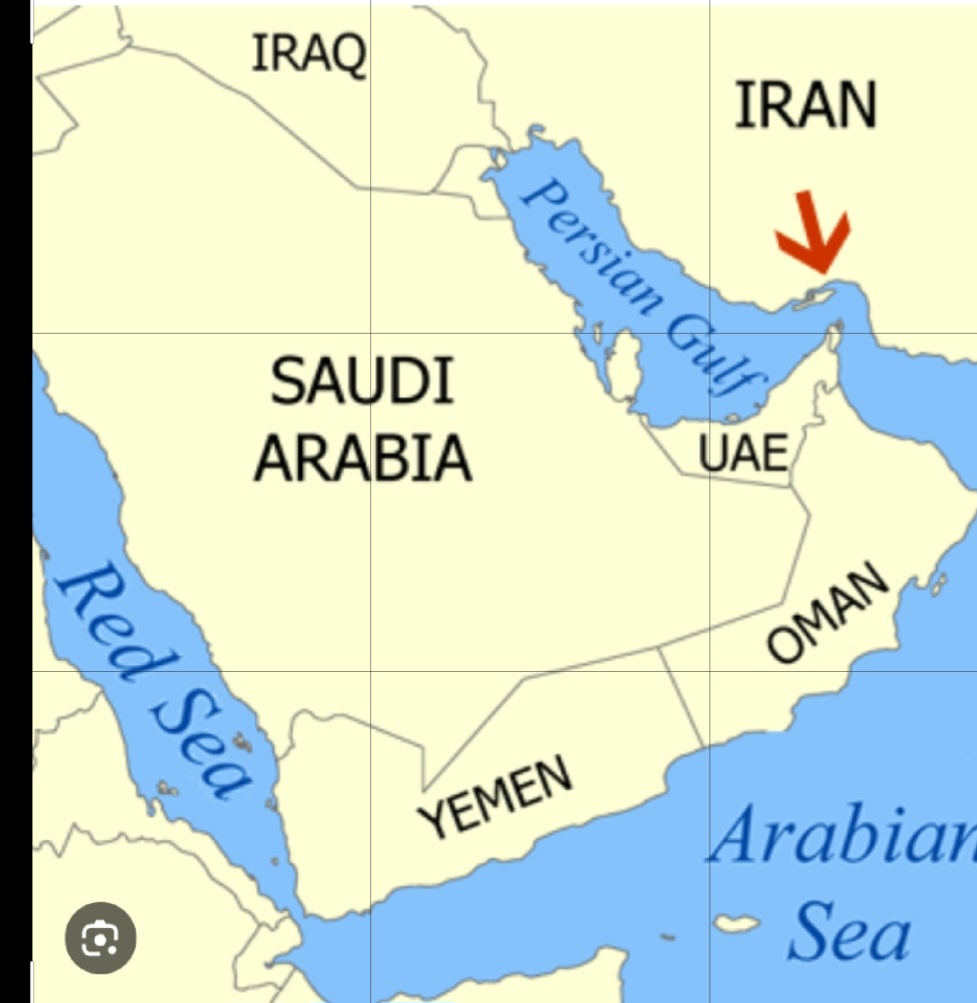
The Strait of Hormuz remains effectively closed as of March 5, 2026. The removal of roughly 20 million barrels of oil per day—one-fifth of global consumption— its flow is affected by disruptions in the supply chain. It has created a critical energy crisis. While the impact is global, Asian economies, in particular are bearing the brunt due to their extreme dependency on this single maritime artery. Below are the countries most affected by the current price surge and supply blockade:
The South Korean stock market (KOSPI) recorded its largest one-day drop in history—12%—on March 4. South Korea is the world’s eighth-largest importer of crude and sources roughly 60% of its oil via the Strait of Hormuz. Major chipmakers like Samsung Electronics and SK Hynix, which account for 40% of the KOSPI, are facing severe concerns over rising energy costs for manufacturing.
2. Though the restrictions on India to purchase oil from Russia are removed for a period of 1 month, fiscal vulnerability stays. India imports over 85% of its crude oil. Every $10 per barrel increase in oil prices is projected to shave 0.5% off India’s GDP growth. A 10% rise in crude prices typically widens India’s current account deficit by about 0.4% of GDP, intensifying pressure on the Indian rupee. Nearly half of India’s crude oil and 60% of its natural gas supplies move through the now-blocked strait.
3. Japan is arguably the most vulnerable major economy, relying on the Strait of Hormuz for close to three-quarters (75%) of its total oil imports. With approximately 254 days of oil reserves, Japan can manage short-term gaps, but a prolonged blockade is viewed by the government as a “very serious problem” for the national economy.
4.Pakistan- While its total volume is smaller than China’s or India’s, Pakistan’s dependency is absolute in specific sectors; 99% of its LNG imports come from Qatar and the UAE, both of which are currently affected by the blockade. High fuel and gas costs are expected to drive immediate, sharp spikes in domestic inflation.
5.China – As the world’s largest importer,China faces a significant threat to its manufacturing sector. The Strait of Hormuz handles approximately 50% of China’s total oil imports. The blockade jeopardizes national power grids and industrial output, with analysts forecasting a potential GDP decline this fiscal year if access is not re-established within 14 days.
6. Germany European Exposure Despite declining direct trade with Iran, Germany remains highly exposed to energy price volatility. Projections suggest a 40 billion euro ($46.4 billion) hit to the German economy over the next two years if prices average $100 per barrel.
Summary of Dependency on Hormuz.
Japan ~75% Highest overall dependency on Middle East crude. South Korea ~60%. Massive hit to tech/chip manufacturing sector. India ~50% Widening current account deficit and rupee instability.China ~50% Potential for significant industrial and GDP contraction.
WHAT EXACTLY IS STRAIT OF HORMUZ –
The Strait of Hormuz is one of the most strategically important maritime chokepoints in the world.
1. Geographic Location :
The Strait of Hormuz is a narrow sea passage connecting the Persian Gulf with the Gulf of Oman and the Arabian Sea (Indian Ocean). To its-
North: Iran
South: Oman (Musandam Peninsula) and the United Arab Emirates
West: Persian Gulf (where major oil exporters are located)
East: Gulf of Oman leading to the Indian Ocean
Width:
At its narrowest point: about 33 km (21 miles).
Shipping lanes: only about 3 km wide each direction, separated by a buffer zone.
So, despite being relatively narrow, it carries a huge volume of global energy trade.
2. Why It Is Geopolitically Critical :
The Strait of Hormuz is often called the “world’s most important oil chokepoint.”
Oil and Gas Flow
About 20–25% of the world’s oil supply passes through this strait every day.
Countries exporting oil through it include:
Saudi Arabia
Iran
Iraq
Kuwait
UAE
Qatar (major LNG exporter)
Roughly:
20 million barrels of oil per day
About one-third of global seaborne oil trade.
If the strait were blocked, global oil prices would surge instantly.
3. Why It Is Strategically Sensitive ⚖️
The key reason is Iran’s geographic position.
Iran controls the northern coast and several islands inside the strait, including:
Qeshm Island
Hormuz Island
Abu Musa
Greater and Lesser Tunb
Because of this, Iran can potentially disrupt shipping using:
Anti-ship missiles
Naval mines
Fast attack boats
Submarines
Coastal missile batteries
This gives Iran asymmetric leverage over global energy markets.
4. Military Presence :
Because of its importance, several navies patrol the area.
The United States Fifth Fleet (based in Bahrain) regularly operates here.
Other naval forces present include:
United Kingdom
France
Saudi Arabia
UAE
occasionally, India and China escort missions
Their main goal is to keep the sea lane open.
5. Historical Background
Ancient Period
The region has been important for over 2000 years.
It controlled trade routes between:
Mesopotamia
Persia
India
East Africa
The Persian Empire used it to control maritime trade.
Portuguese Control (16th Century)
In 1515, the Portuguese captured Hormuz Island and built a major fortress.
They controlled trade between
India
Persia
the Middle East
They held the area until 1622, when a Persian-British alliance expelled them.
British Dominance (18th–20th Century)
Britain later controlled maritime security in the Persian Gulf to protect India trade routes.
Until 1971, Britain was the dominant external power in the Gulf.
Modern Era (Post-1970s)
The strait became globally strategic after:
1️⃣ Oil boom of the Gulf states
2️⃣ Iranian Revolution (1979)
3️⃣ Iran-Iraq War (1980-88)
During that war, the famous “Tanker War” occurred:
Both Iran and Iraq attacked oil tankers.
The US Navy escorted ships in Operation Earnest Will.
6. Modern Tensions :
Iran has repeatedly threatened to close the Strait of Hormuz if attacked or sanctioned.
Major incidents include:
1980s Tanker War
2019 tanker attacks
US-Iran naval confrontations
Seizure of commercial ships
However, completely closing the strait is very difficult because
it would trigger massive military retaliation
Iran also exports oil through the same route
So Iran uses the threat more as strategic leverage.
7. Why the World Cannot Ignore It
If the Strait of Hormuz is disrupted:
Oil prices could jump to $150–$200 per barrel
Global inflation would spike
Energy-importing countries (India, China, Japan, Europe) would be heavily affected
For India specifically
about 60% of India’s oil imports come from the Gulf
Much of it passes through Hormuz
So, the strait is directly tied to India’s energy security.
✅ In simple terms:
The Strait of Hormuz is the narrow gate through which the energy of the Persian Gulf reaches the world.
Whoever can threaten that gate holds enormous geopolitical leverage.
 the-curators.org