
The history of the region took another turn when the US went after Iraq’s despot Saddam Hussein and attacked Iraq, subsequently found Saddam Hussein and hanged him. Meanwhile, the Palestine issue, Israel angle, Saudi Arabia -Iran efforts to dominate the region continued. Yemen, Libya, and many other countries in the region started to witness restive people and their mass moments to topple uncontrolled regimes of despots.
Tunisia witnessed regime change in the year 2010 and the establishment of a new democratic government. This spec of fire soon turned into a wildfire and spread into other Arab world countries like Egypt, Libya, Yemen, Morocco, Syria, Jordan, Bahrain, etc.
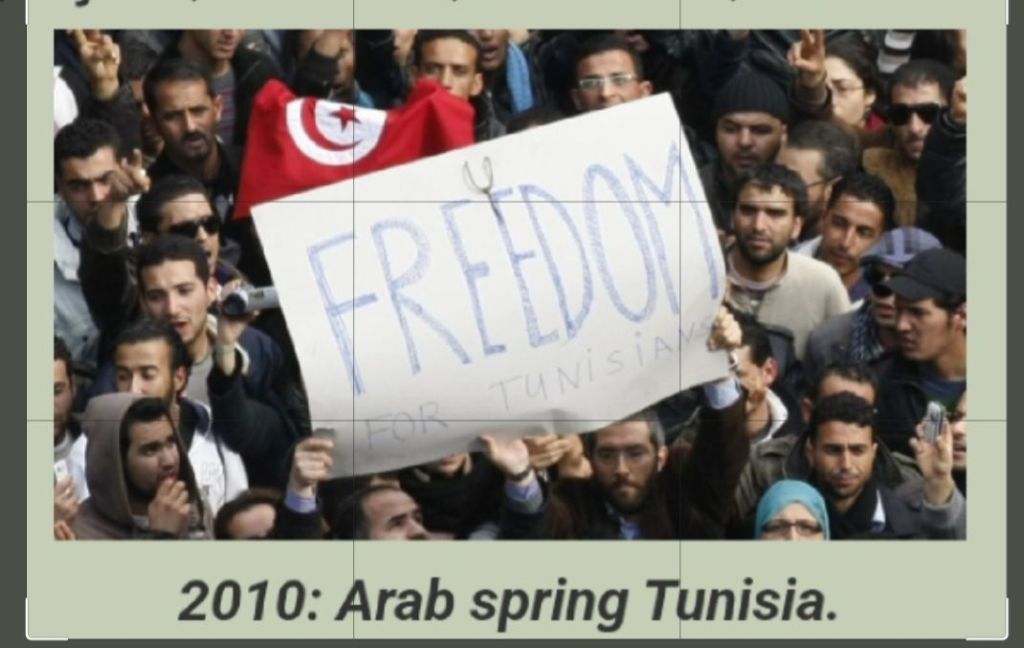
Uncontrolled despotism, nepotism, arrogant autocratic self-proclaimed kings, corruption, scarcity of life essentials, and inflation made people agitate against the rulers. Some of the autocrats brutally killed by violent mob, some fled abroad, some tried to control mobs with military help wherein the military ranks seized the power. In some countries, destituted corrupt leaders attempted a coup and tried to regain power.
Such and many other factors made the disillusioned people falling prey to bigot religious indoctrination, adding to chaos. Internationally recognized ‘independent country’ status of Palestine was refused by newly elected Netanyahu government of Israel added further fuel to nascent flames.
All these electrifying developments make the Arab world trembling in anticipation of anarchy. The interference of western powers, the old dues settlement between the old superpowers at the expanse of Arab countries, the unbearable heavy baggage of promoted religious fanaticism and terrorism during the Afghan wars, new emerging Asiatic giants, newly found oil in the US and its technological success in extraction, the list of influencing factors is endless.
On this backdrop, Iran was comparatively peaceful. In the developing unstable scenario, Iran found a void to fill up with its mighty presence and started to become a nuclear nation. In spite of objections by Western countries, Iran continued its nuclear enrichment program perhaps since 2002.
There were many meetings between the IAEA (International Atomic Energy Association), Western nations, and Iran. Iran claimed that the development of nuclear energy is solely for development and peaceful purpose and continued with enrichment of uranium.
Iran faced many sanctions during this period. Economic sanctions, sanctions on procurement of sensitive atomic raw material, and sanctions on money accrued in Bank of Iran through oil export are some of the biting sanctions. US prohibited India, South Korea, Malaysia, South Africa, Sri Lanka, Taiwan, and Turkey from buying oil from Iran. The Riyal downside reached 80% on the international credit level. The life of common man started to suffer.
Iran continued with the atomic development plans. Atomic plants were raised at Bushehr, Natanz, Arak, and Fordo. In 2007, Iran’s President Ahmadinejad declared that Iran is now capable of producing atomic fuel on an industrial level. IAEA also opined that if Iran decides to develop a nuclear weapon, it can do so in a span of 3 to 8 years.
The atmosphere further worsened with the development of Shahab -3, A long range missile bringing Israel into its reach. Rocket technology was also developed. In 2008, more missiles were designed to bring Israel and US army camps in the Gulf region within its reach.
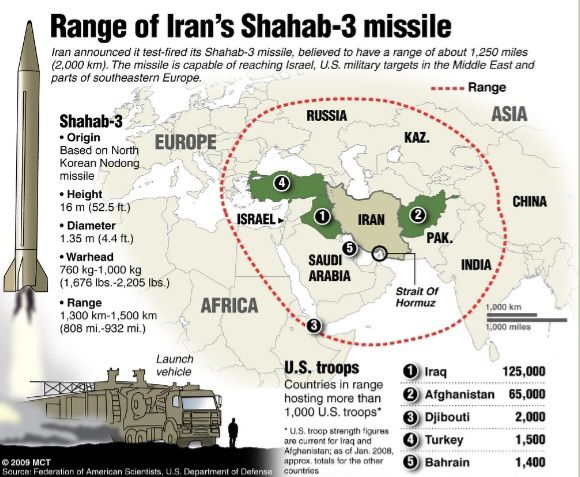
Iran’s clout and interference in the region started to grow. It’s Shiite composition further worsened relations with Sunni dominated Arab kingdoms. A power struggle started. After incurring tremendous cost in war against terrorism, America decided to withdraw its troops from Afghanistan and also avoided interference in the crisis of Syria . The Syrian President Bashar-al -Asad was accused of using chemical weapons against his own people. Once, it was certain that the US would interfere any time in Syria. But US President Barack Obama avoided direct military action. Instead, as accused by many, the US provided ammunition, weaponry and monetary aid to rebels in Syria. Iran backed the Syrian president. The puppet governments raised by the US, post Saddam Hussein, were incapable of ruling Iraq, which was torn by insurgencies and soon spew out a demon in the form of ISIS. In Iraq, the Iranian army fought ISIS with Iraqi and Western forces. Iran and Russia were quick to fill out the void created by the absence of the US in the Syrian conflict. Libya is dominated by Hezbollah -A political party now; which fought Israel occupation of Libya in 1982. Israelis left Libya in 2000 after bearing the burnt of sophisticated terrorism of Hezbollah, backed and aided by Iran. The Houthis of Yemen who are succeeded in taking capital Sana from President Houthis are also supposed to be backed by Iran.
Meanwhile, persistent efforts of Barack Obama, in particular, and that of IAEA, along with a host of nations, succeeded in carving out a ‘Nuclear deal’ with Iran. The sanctions were lifted. However, the neighborhood of Iran never allowed it to settle down. The illusive peace never arrived in Iran’s neighbor, Iraq.
In 2015, Iran agreed to limit its nuclear program after an accord was signed by Iran, China, Russia, Germany, Great Britain, US and France, and ending sanctions. It was hailed as a great victory. However, Saudi Arabia, Israel, and some countries in the Middle East didn’t appreciate the deal. They doubt Iran’s claims of using nuclear energy for peaceful purposes and fear of Iranian dominance once it become capable of preparing nuclear weapons.
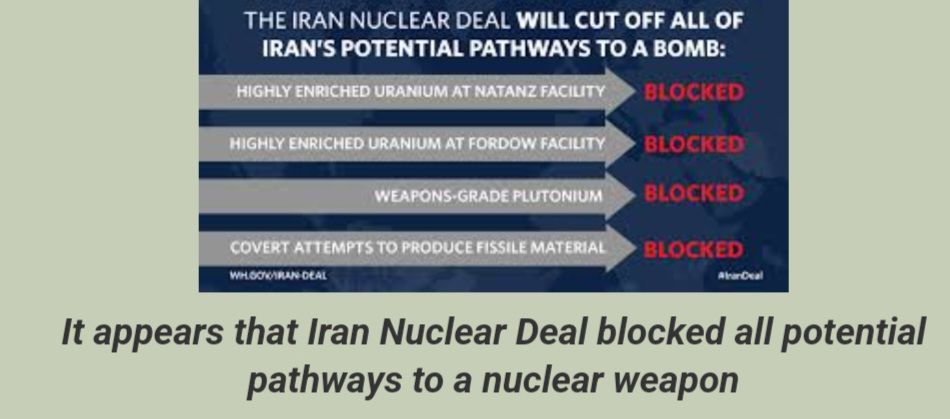
They took care that sanctions imposed remain in place crippling Iran. Iran’s composition of Shiites and Saudi Arabia’s Sunni composition further intensified the historic feud. However, the nuclear accord between Iran and world powers carved out with great patience and hard work. Barack Obama’s strained relations with the newly elected Israel President Netanyahu further receded American position in the region.
The atmosphere started to change after Donald Trump assumed power as the president of the United States. He disapproved the nuclear deal from time to time. In February 2017, during the visit of the Israeli prime minister Netanyahu, Trump assured Israel PM that Tehran would never be able to build a nuclear weapon. The Houthi rebels were backed by Iran against the Saudi led coalition. The balance of power in the Middle East threatened with a powerful Iran surging ahead, interfering in the regional politics at the expanse of the US interests in the region.
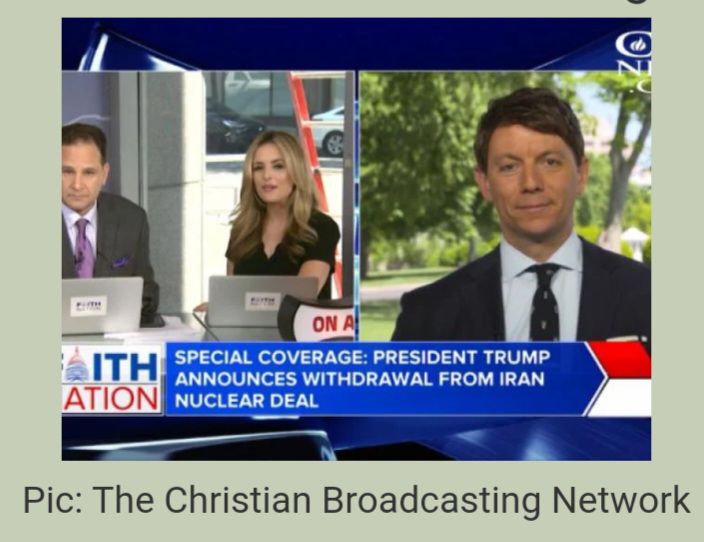
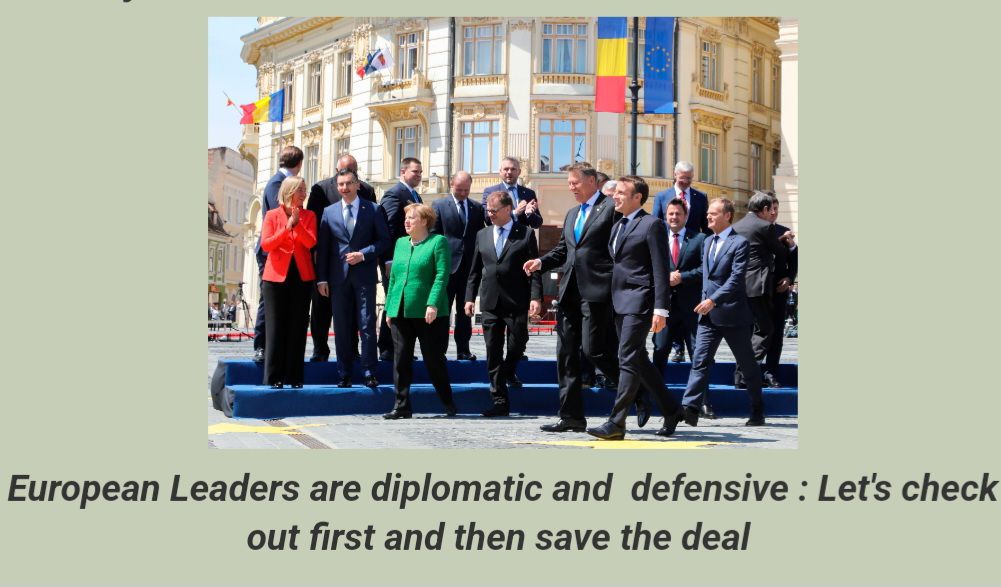
Trump expressed disapproval of the nuclear deal with Iran many times and termed it as a horrible deal and supported Israel. After almost constant accusations, claims, counter claims, and warnings, Trump brought back Iran and the nuclear deal back into focus. To the dismay of European nations, he threatened to walk out from the historic nuclear deal.
The relations of the US and Iran again became strained and started to roll Iran into Russian camp.
Donald Trump, at last in 2018, walked out of the nuclear deal and reimposed sanctions. A year to the day after Washington pulled out of the nuclear deal, the Iranian President hit back by threatening to roll back nuclear pledges of the deal and challenged the US. The US started to accuse Iran of starting to prepare nuclear weapons from the enriched Uranium.
Though opposed by European nations and Russia, the US encircled Iran by prohibiting other countries from buying Iranian oil and slapping sanctions on the Iranian mining industry – Iran’s second largest sector accounting to 10% of exports… ..to continue

 the-curators.org
Leave a reply to L M DESHPANDE Cancel reply